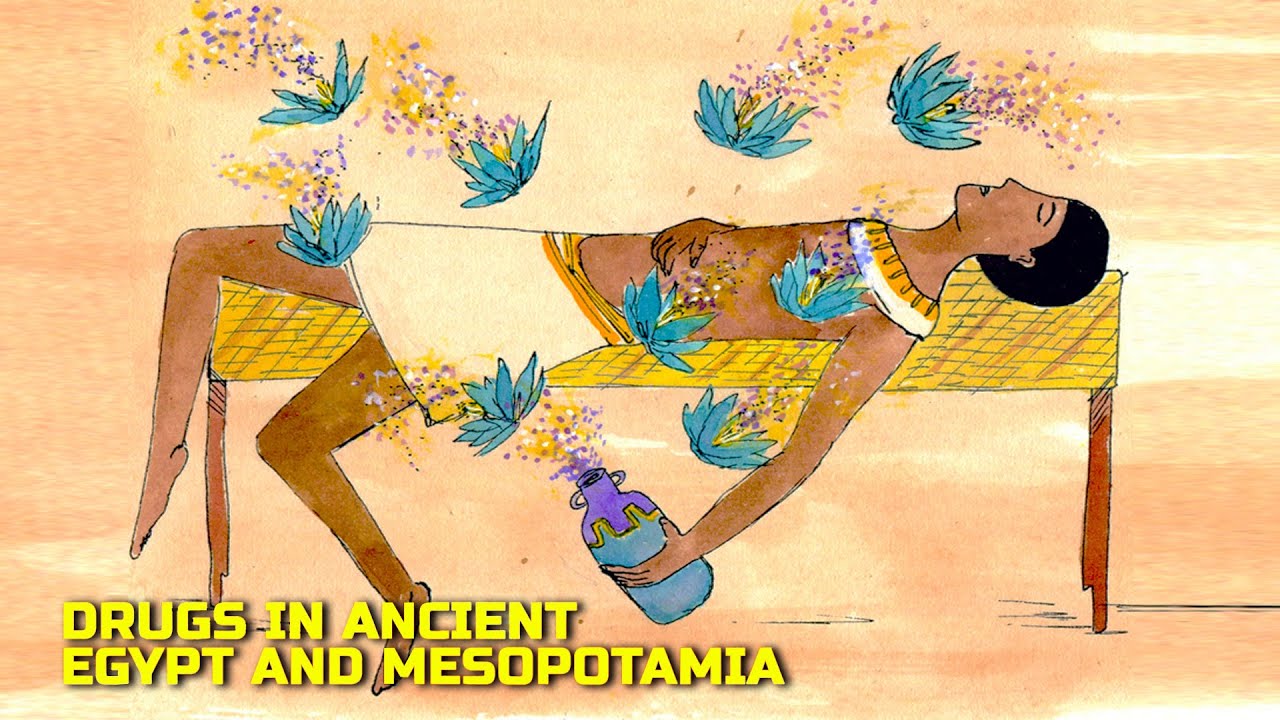
The history books tell us about grand empires, epic battles, and philosophical giants, but they often conveniently gloss over the more, shall we say, chemically enhanced aspects of ancient life. Forget your modern-day drug lords, the real pioneers of the international drug trade were operating millennia ago, shaping societies and influencing empires in ways your high school textbook never dared to imagine. From mind-bending fungi to military-grade honey traps, the ancients weren't just building aqueducts, they were building drug networks that make today's operations look like a corner store. Prepare to have your perception of classical antiquity thoroughly altered.
The First Trips: Ergot and the Eleusinian Mysteries
The taboo surrounding recreational drugs is hardly a modern invention, which explains why ancient records are often tight-lipped on the subject. What little we do find usually pertains to medicinal or religious contexts, leaving us to wonder about the ancients' more hedonistic pursuits. Thankfully, thanks to two decades of advancements in archaeology, translation, and scientific analysis, we now possess tantalizing insights into the drug abuse that permeated these early civilizations. While opium and cannabis dominated the ancient drug trade, an often-overlooked substance, ergot, played a surprisingly stealthy yet substantial role, particularly in its home territory.
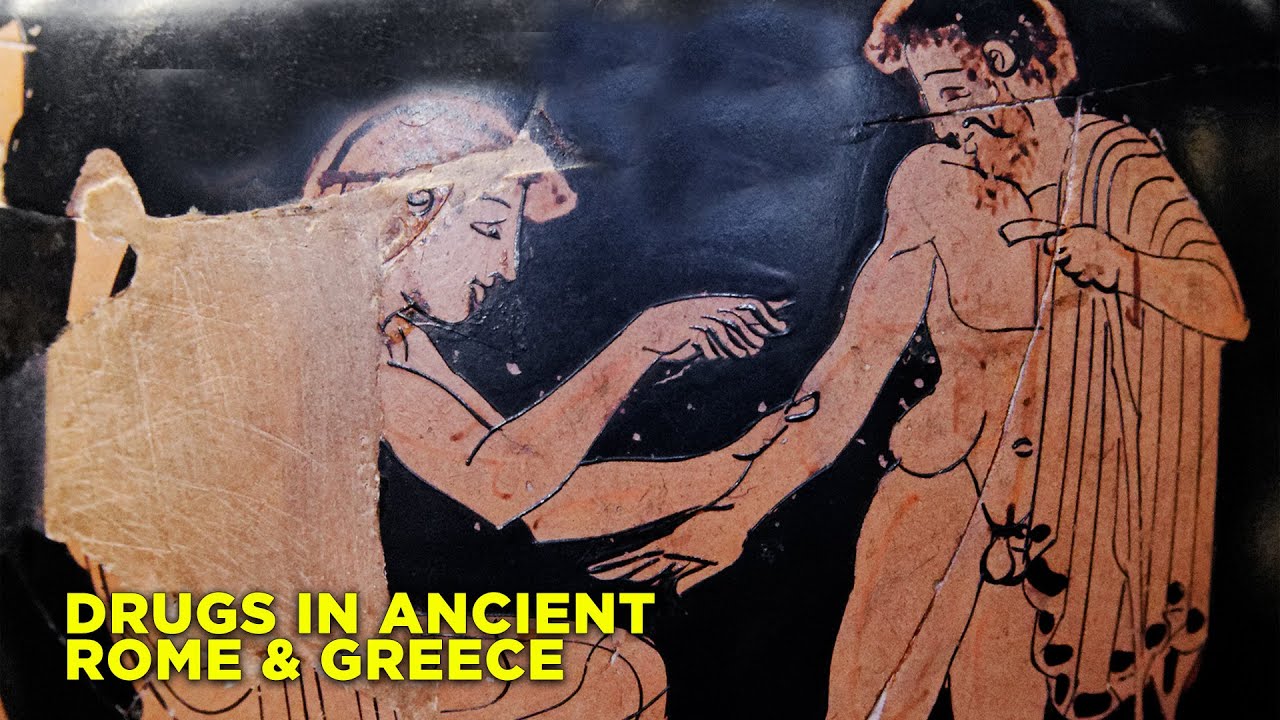
This unassuming fungus, ergot, has a surprisingly dark and influential resume, implicated in everything from the Salem Witch Trials to the French Revolution and the infamous Dancing Plague. But its psychedelic pedigree stretches back even further. As early as 1600 BC, it is believed that a mysterious cult dedicated to Demeter and Persephone harnessed ergot to induce profound visions. These initiates convened annually at Eleusis in ancient Greece, participating in secret religious rites known as the Eleusinian Mysteries. The ultimate goal was an otherworldly descent into Hades, followed by a triumphant return to the living world and a reunion with Demeter, the goddess of fertility and the mother of Persephone. To attain these profound, mysterious insights, participants were required to consume kykeon, a hallucinogenic beverage. Drinking this ergot-laced kykeon was described as a spiritual progression, a journey into the very fabric of existence, mirroring the experience of death and rebirth itself. While it remains difficult to definitively conclude if ergot from locally grown barley was the sole active psychotropic ingredient in kykeon, many historians point to its known vision-inducing qualities as a strong possibility for its central role in these sacred rites.
The Poppy King: Opium's Ancient Reign
The poppy, a plant often romanticized in modern fantasy novels, held a far more tangible and legal significance for ancient Romans and Greeks. Its prevalence is evident in the ubiquitous poppy motifs found on statues and engravings, a testament to how commonly the "poppy was popped" by the populations of Roman Greece. Archaeologists have made fascinating discoveries, unearthing small flasks dating back to as early as 1600 BC. These peculiar vessels were crafted in the distinct shape of poppy capsules, the bulging ball beneath the flower's petals that famously yields opium. It takes little imagination to deduce the purpose of these uniquely shaped flasks. Forensic analysis has since confirmed that the residuals found within these excavated capsules were indeed opium, alongside a variety of other psychoactive substances.
These distinctive jars and capsules have been discovered across the Levant, Egypt, and the Middle East, their uniformity in design suggesting a sophisticated, mass-produced manufacturing operation. It is generally believed that opium first arrived in ancient Egypt via Mesopotamia. Egypt, in turn, became a significant center for opium cultivation, producing several varieties that were widely available in ancient Greece during the classical era. One notable extract was known as opium Thebaicum, named after the city of Waset, which the Greeks knew as Thebes. Another variant, opium Serenicum, was a slightly different strain that grew to the west, in Libya. Beyond importing vast quantities, ancient Greeks also cultivated their own opium. Theophrastus, a Greek philosopher and botanist, meticulously detailed the harvesting technique. He advised farmers to wait until the morning dew had dried before making light cuts with a knife around the top of the plant's capsule, taking care to cut straight down on the outside rather than into the interior. The fluid that emerged would then be wiped onto a spoon with a finger. The following days allowed for further harvesting of the thickened residue.
While it remains difficult to definitively conclude if ergot from locally grown barley was the sole active psychotropic ingredient in kykeon, many historians point to its known vision-inducing qualities as a strong possibility for its central role in these sacred rites.
With the Romans, opium's usage evolved further. Roman citizens commonly used opium-laced wine as a sleep aid. For more recreational pursuits, they consumed meconium, a drink made from poppy leaves, which could be considered a watered-down version of the drug. What truly sets this ancient practice apart is that opium was not just legal, but readily accessible on the streets of Rome. It could be purchased as small tablets from specialist stalls in most marketplaces. Who says the past wasn't progressive when it came to psychoactive substances?
The Black Market's Deadly Brews
Just as today, while some drugs and their controlled use were perfectly legal in ancient Greece and Rome, others were strictly prohibited. In Capua, for instance, drug sellers congregated in a notorious area known as Sepulacia. This district gained such a fearsome reputation that "Sepulacia" itself became a synonym for mind-altering drugs, perfumes, and ointments. The substances found in these ancient black markets were often exotic and incredibly potent.
Take deadly nightshade, for example. This plant was so profoundly hallucinogenic that it became intrinsically linked with pseudo-arts of magic and potion-making. The poet Ovid, in particular, gets some credit for cementing deadly nightshade's association with witches and warlocks in his evocative poems. The primary reason this drug wasn't easily accessible or widely used was its terrifying lethality: even a slight excess of dosage could cause immediate death. However, when consumed in precise, carefully measured amounts, deadly nightshade was potent enough to induce hallucinations that could last for days.
Then there was henbane, also known as "stinky nightshade," a slightly less appealing cousin to its more deadly relative. This drug, too, was notorious as a magical herb. While primarily used for medicinal purposes rather than recreational ones, henbane served as a supplementary drug for serious "junkies." They would consume it alongside a cocktail of other hallucinogens, specifically to imitate the feeling of being drunk. The drug was versatile in its administration, consumed both by inhaling its fumes and by direct ingestion. These illicit substances highlight a darker, more dangerous side of ancient drug culture, where the line between medicine, magic, and poison was often perilously thin.
Sweet Deception: The Treacherous Taste of Mad Honey
Not all ancient drugs came from cultivated plants or fungi; some were found in nature's most unexpected places. Mad honey, a specific type of honey extracted from rhododendron flowers, contains neurotoxins that cause altered consciousness, delirium, and nausea. The people of ancient Anatolia were the first to stumble upon its mind-altering properties, turning this sweet treat into a potent weapon.
One of the earliest documented accounts of mad honey comes from Xenophon of Athens, the renowned Greek historian, philosopher, and commander. In his chronicle, Anabasis, he recounts an incident from 401 BC. While his army was journeying along the shores of the Black Sea, they decided to feast on some local honey. A few hours later, the soldiers became disoriented, began vomiting, and suffered from severe diarrhea. Under normal circumstances, such an event could have triggered a devastating plague, but to their astonishment, the entire army was perfectly fine the very next day, resuming their journey home to Greece.
Unfortunately for the Roman army of Pompey the Great, they were not so lucky. In 67 BC, during Pompey's invasion of the Black Sea region, his forces were tempted by honeycombs strategically placed along their route by the cunning locals. While one thousand Roman soldiers feasted and got thoroughly high on this toxic honey, King Mithridates seized the opportunity. He made short work of Pompey's invasion, sending the Romans packing with their tails between their legs. This episode serves as a powerful reminder that in ancient warfare, even nature's bounty could be weaponized with devastating effect.
Literary Highs: Drugs in Ancient Epics
Given the prevailing societal taboos, direct mentions of drugs in ancient Greek and Roman literature are rare. However, there are remarkable instances where these substances not only appear but play crucial roles in the narrative. Homer, the legendary epic poet, was notably liberal in his depiction of drugs in The Odyssey. In one particularly striking scene, he narrates how Helen of Troy, famed for her beauty and the cause of a ten-year war, liked to dope her wine with a "happy drug." This potent concoction was designed to erase painful memories and quell bouts of anger. According to Homer, the drug was so powerful that under its influence, one would feel no sorrow, guilt, or remorse, even if their family were murdered directly in front of them. The user would remain perfectly calm and content, a chilling testament to its profound psychological impact.
Beyond mood alteration, ancient texts also hint at what we might today call "performance enhancers." In The Odyssey, Odysseus famously had to drag his crew away from the land of the Lotus Eaters. These were no ordinary lotuses, but a specific breed known as the blue lotus. The psychoactive alkaloids present in blue lotuses induced a mild euphoria and tranquility, combined with an increased libido. This combination, as Homer implies, created a perfect recipe for a thoroughly enjoyable time, explaining why those sailors were none too pleased about their king steering them away from such a delightful land. These literary glimpses suggest that the quest for altered states, whether for emotional solace or enhanced pleasure, was a deeply ingrained aspect of ancient human experience.
According to Homer, the drug was so powerful that under its influence, one would feel no sorrow, guilt, or remorse, even if their family were murdered directly in front of them. The user would remain perfectly calm and content, a chilling testament to its profound psychological impact.
The "Laughing Weed" and Libido: Cannabis Through the Ages
Interestingly, hemp, the plant from which cannabis is derived, was used as a narcotic in Europe long before opium gained widespread traction. The mysterious Yamnaya people of Central Asia are credited with bringing it to Europe, where the plant has been present for over 5,000 years in northern and central regions. While hemp ropes and fabrics remain in use even today, archaeological findings of braziers containing burnt cannabis provide clear evidence that early Greeks were happily smoking hemp.

However, not everyone was a fan. The Greek physician Dioscorides, for instance, seemed rather disapproving of cannabis, believing it hampered a consumer's sex life. In fact, he even recommended cannabis to reduce sexual desires for those who struggled to control their urges at inappropriate times. In stark contrast, the Roman philosopher Pliny the Elder affectionately dubbed cannabis the "laughing weed" and suggested its use as a "toxifying ingredient" for wine on special occasions. The Romans, it seems, were quite fond of cannabis, referring to it as the "merriment supplement" to liven up their parties and social gatherings. If we are to believe the accounts of Herodotus, the Greeks didn't disagree with this assessment, suggesting a widespread acceptance of its recreational use. From reducing libido to enhancing merriment, cannabis's ancient applications were as varied as they were intriguing.
The Final Escape: Drugs, Overdose, and Accepted Endings
Despite their remarkably liberal approach to narcotics, ancient Greeks and Romans were far from naive about the potential adverse effects. They were acutely aware of the dangers of overdosing, particularly with highly potent substances like deadly nightshade. Theophrastus, whose detailed writings on opium harvesting we've already encountered, issued a blunt warning: drugs will kill you if consumed excessively. This knowledge, however, takes on a darker hue when considered within the broader context of ancient societal norms.
Killing oneself, it turns out, was a far more accepted and normalized practice in those days than it is in many cultures today. People would, in fact, acquire drugs specifically for this grim purpose. While opium was commonly used as a sleeping aid, it was also frequently mixed with hemlock, a notorious poison, to achieve an "eternal sleep" from which one would never wake. This stark reality casts a disquieting shadow over the seemingly progressive "free drug market" scenario. The easy availability of powerful substances meant that the path to oblivion was often just a marketplace stall away, offering a stark reminder of the complex relationship between freedom, responsibility, and the ultimate human choice.
So, the next time you picture toga-clad philosophers debating ethics or legionaries conquering distant lands, remember that behind the marble facades and heroic tales, there was a thriving, often wild, drug culture. History, it seems, was not just written by the victors, but occasionally by those high on poppy juice, ergot, or even some strategically placed mad honey. The ancients were far more adventurous, and perhaps a little more chemically inclined, than your textbooks ever let on. And that, dear readers, is why history is always nuttier, filthier, and weirder than you were ever taught in school.