Forget the sanitized tales of wartime heroism and stoicism taught in school. The grim reality of the First World War, the Great War, was a crucible of unimaginable suffering, where human bodies were ripped apart by shrapnel and minds shattered by the ceaseless horror of the trenches. To cope, to fight, to simply exist, soldiers and civilians alike turned to a pharmacopeia that would shock modern sensibilities. This was an era before drug regulation, a time when potent narcotics were not just readily available, but actively supplied by military authorities, blurring the lines between medicine, morale booster, and deadly addiction.
The Agony and the Angel: Morphine's Reign on the Front
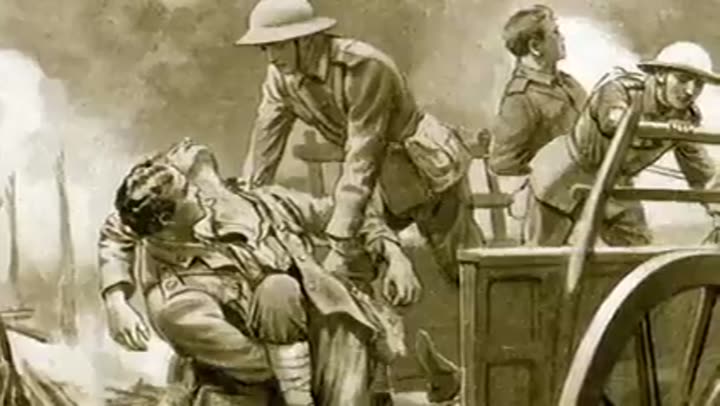
When the First World War erupted, the art of pain relief had barely advanced since the American Civil War. Morphine, the controversial narcotic, remained the undisputed king of analgesics. Its role was brutally simple: to subdue the agonizing pain of the wounded, a ceaseless tide of casualties generated by the industrial-scale slaughter. Shrapnel from exploding shells tore through flesh, shattered bones, and caused ghastly wounds to kidneys, lungs, bladders, and faces, inflicting torment that only the most potent analgesic could counter.
Morphine sulfate, aptly named after Morpheus, the Greek god of sleep, was routinely administered. The widely accepted recommended dose was one-fourth of a grain, or 16 milligrams. To prevent accidental overdose in the chaotic field hospitals, frontline medics would mark patients' foreheads with crosses in permanent ink after administering the drug. Despite these precautions, mistakes were rampant. Patients often received the narcotic more than once, and the severely injured were deliberately given larger amounts to ease their extreme suffering. The sheer chaos of war made it nearly impossible to avoid such errors, and to make matters worse, many wounded soldiers self-medicated with morphine while awaiting professional aid.
One critical downside of morphine overuse was its ability to obscure the clinical picture, hampering proper diagnosis. Personnel at clearing stations and hospitals frequently struggled to determine whether a patient's condition was due to excessive morphia intake or their actual wounds. Concerns over persistent morphine addiction and overconsumption in military infirmaries led some physicians to argue that patients would be better off enduring the pain until they reached advanced treatment stations. Perhaps the most infamous patient turned morphinist was Hermann Göring, the fighter pilot ace who would later become a powerful member of the Nazi elite and commander-in-chief of the Luftwaffe.
With no equally potent alternative available, morphine remained the preferred choice for pain relief. This was, after all, an age when opioids not only dominated analgesics but were also the preferred method to make babies sleep peacefully at night. Morphine was even used for euthanasia. In cases where soldiers were maimed beyond recovery, a lethal injection was seen as the only merciful way to end their suffering. A British private, recalling the heavy casualties in the Battle of Aubers Ridge in May of 1915, remembered a man who had no eyes, no nose, no chin, no mouth, and yet he was alive. As medicine was not advanced enough to deal with such horrendous injuries, a four-fold humanitarian dose of morphine was administered to put victims out of their misery. Often, doctors and sergeants lacked the courage to perform this grim duty, relying instead on nurses and privates. Beyond morphine sulfate, other analgesics used in World War One included sodium salicylate and opi tincture camphorata. For anesthetics, good old chloroform was common, alongside Goprelto, which brings us to a more surprising player.
Snow White in the Trenches: Cocaine's Unlikely Rise
Goprelto, for the unaware, is the hydrochloride salt form of the tropane alkaloid known as snow white, possessing central nervous system stimulating and local anesthetic activity. Yes, we are talking about the same snow white that naturally grows in coca leaves in South America, responsible for the rise of some of the biggest narcos of the last 50 years. But back in the First Great War, this 'happy powder' was thundering through the trenches, a far cry from its later infamy.
Europeans in the 19th century discovered the Andean people's secret of using coca leaves for physical endurance. Once snow white was isolated from coca leaves in 1859, the German pharmaceutical company Merck of Darmstadt launched its manufactured marketing in 1862. Interestingly, back then, 'Aunt Nora' was described as a stimulant that in a particular way adapted to elevate the working ability of the body without any dangerous effect. The controversial narcotic was first tried in the military in 1883 by Theodore Aschenbrandt, a Bavarian army physician. He recognized the drug's potential utility, particularly its appetite-suppressing effect, supposing that it could help reduce army food supplies by up to 20 percent. This, combined with its stimulating properties, made snow white widely used in the Great War.
When war broke out, 'Colombian blow' was easily available at pharmacies across Europe and America, both as a standalone medicine and as an ingredient in many popular medications and tonics used for runny noses and coughs. In fact, one of the most popular American medicines, Rhinos Hay Fever, was nothing but pure snow white. Back in the day, tobacco and 'happy powder' were considered equally harmless. Oh, how wrong our great-grandparents were.
Fueling the War Machine: How Cocaine Powered Soldiers
Beyond its use as a local anesthetic, snow white was issued by military authorities for enhancement purposes. Soldiers could even purchase it themselves if they felt the need for it. Its widespread commonality means the exact rate of its consumption by fighting men remains unknown, making it impossible to estimate precise figures. The drug was hailed as a morale booster, the fuel for inner fire, and an overall mood enhancer in the trenches. It helped soldiers calm down, focus, and improve performance.

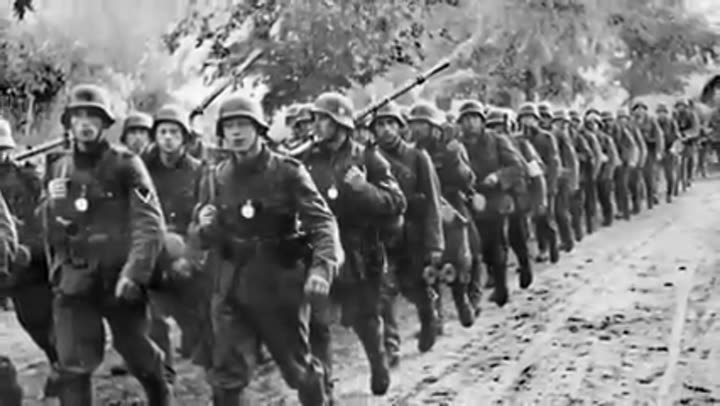
German fighter pilots took the drug during long-distance flights, and French records revealed that early airmen were particularly keen on the stimulant. The drug reportedly helped air duelists make use of the cold up there by fortifying them against it. However, the popularity of the Colombian drug was far more intense among infantry than airmen. The German army command, at the dawn of war, even planned to issue each of its soldiers daily rations of snow white to decrease their appetite and increase stamina. The only reason this audacious idea was abandoned was a lack of sufficient supply of the drug in question.
The German army command, at the dawn of war, even planned to issue each of its soldiers daily rations of snow white to decrease their appetite and increase stamina.
The British, on the other hand, also distributed the drug under the code name "Forced March." It was issued in the form of a gelatin-coated pill, which, along with snow white, also contained cola nut extract to "bring out the flavor of the blow." This wasn't just a military secret, either.
The Pharmacy of Death: Over-the-Counter Addiction
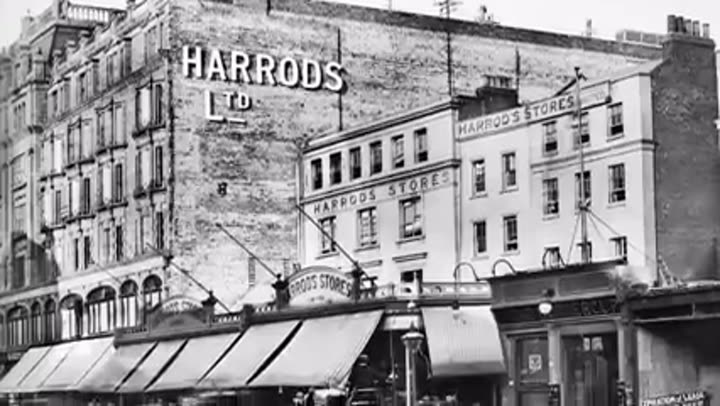
The widespread acceptance and availability of these potent drugs extended beyond official military channels, seeping into civilian life and commerce. Famous department stores like Harrods were offering smaller sets of morphine and snow white, complete with syringes and needles. These kits were advertised in The Times as a "useful present for friends at the front." Imagine, a Christmas gift basket for your soldier boy, containing hard narcotics and injection paraphernalia.
Well-known pharmacy Savory and Moore was also selling a mail-order medical kit containing snow white and smack (a colloquial term for heroin, often mixed with cocaine in such preparations). The casual commercialization of these highly addictive substances speaks volumes about the lack of understanding and regulation at the time. What we now recognize as dangerous, habit-forming drugs were then marketed as everyday remedies and performance enhancers, reflecting a societal naivety that would soon be shattered.
The Blowback: From Miracle Drug to Public Enemy
The acceptance for 'lady snow' did not last for the entire war. As the conflict dragged on, the perception of these drugs began to shift dramatically. While France accused Germany of smuggling 'happy powder' into French cities and trenches to subvert their war efforts, widespread protests against the use of the drug also erupted in Britain. The media and politicians in Britain began fueling a nationwide drug scare against the 'Colombian blow,' branding the narcotic as "deadlier than enemy bullets."
This hysteria was largely the outcome of a pivotal incident in 1916. A Canadian major discovered that a London-based escort and her agent were supplying cocaine to his units. The ensuing investigation revealed that some 40 men in a local camp had developed an addiction. This incident, highly publicized, worked in favor of proponents advocating for tight governmental control of habit-forming drugs. The case provided a convenient pretext for launching an anti-drug campaign, which found fertile soil in the nation's wartime anxieties and suspicions.
The media and politicians in Britain began fueling a nationwide drug scare against the 'Colombian blow,' branding the narcotic as "deadlier than enemy bullets."
The commercial impact was swift and severe. By late 1915, Merck experienced a dramatic fall in the annual production of 'white gold,' plummeting to merely 447 kilograms compared to nearly 9,000 kilograms in 1913. The war had interrupted international trade, impeding the supply of European factories with Peruvian coca leaves. However, it was the moral panic, fueled by politicians and media drawing on paranoia, that truly created a general movement against drugs.
War on Drugs, Waged at Home: The Dawn of Regulation
The culmination of this shift in public and political sentiment arrived on May 11, 1916. On this date, the Army Council of Britain issued a landmark order banning any unauthorized sale or supply of psychoactive substances to any member of the armed forces, except for medical reasons and only by prescription. This marked a significant turning point.
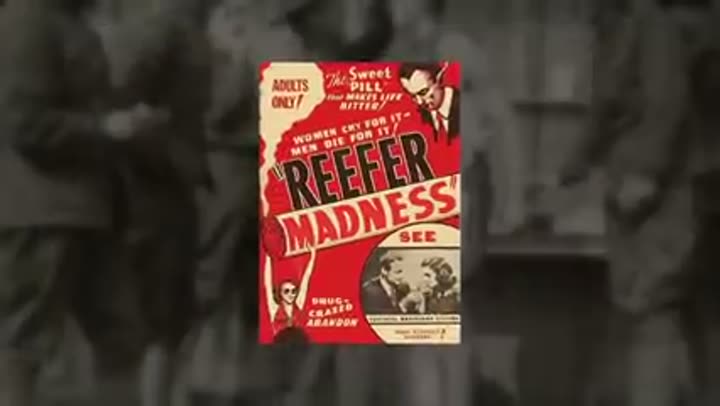
Paradoxically, while World War One facilitated a greater consumption of narcotics like snow white and morphine, it also paved the path for comprehensive national substance control regimes. It may not have entirely abolished the use of drugs in warfare, as evidenced by the widespread use of amphetamines in the Second World War and heroin in the Vietnam War. However, it undoubtedly represented the first concerted step to recognize and address the ill effects of such substances on soldiers and, by extension, on society at large.
The Great War was a stark, brutal teacher, revealing not only the capacity for human cruelty but also the desperate measures people would take to survive its horrors. The story of drugs in World War One is a testament to how profoundly different the past was, a past where the lines between medicine, vice, and military strategy were astonishingly blurred. It forces us to confront a history far stranger, filthier, and more utterly bonkers than any textbook dares to admit, reminding us that the human experience, especially under duress, is infinitely more complex and often more shocking than we imagine.