Forget the dusty cowboys and the heroic tales of homesteaders that Hollywood loves to peddle. The true story of the American Wild West, the one that doesn't make it into polite history books, is far more complex, and frankly, a lot filthier. Before it became the West we recognize, it was a desolate, male-dominated frontier, a land of makeshift settlements and raw desperation. It wasn't the gold or the railroads that truly civilized this untamed territory, but the arrival of a different kind of pioneer: the women who ran the brothels, the madams and their girls, who leveraged the world's oldest profession to build towns, fund schools, and even, incredibly, spark the suffrage movement.
Before the Ladies Arrived: A Man's World of Dirt and Desperation
Before the arrival of women, the American frontier was what many historians refer to as the "sand West." Picture this: not towns in any recognizable sense, but rather crude settlements comprised of tents and holes. These were places designed for the most basic human needs: some holes for sleeping, some for what was euphemistically called "morning business," and, grimly, some holes for men to die in. These were, in essence, simple work camps, devoid of any semblance of domestic life. The 1800s were an era of strict gender roles, and without women, the concept of a home or a stable community was a distant, unattainable dream for these men.
The situation was so dire, so starved of feminine presence, that the men resorted to extreme measures. It was not uncommon for them to take turns cross-dressing, seeking to comfort each other in the absence of women. Others would spend exorbitant fortunes, not on land or gold, but on fleeting glimpses of femininity: a chance to get their hands on women's knickers, or simply to catch sight of a feminine ankle. This desperate craving for female companionship, even in its most superficial forms, highlights the profound void that existed on the frontier, a void that would soon be filled in the most unexpected ways.
The Golden Opportunity: How Vice Built the West
When women finally began to trickle into the West, they weren't greeted by established societies or rigid moral codes. Instead, they found a landscape teeming with desperate men and, crucially, a wide-open financial opportunity. There was no existing social structure to judge them, no polite society to cast stones. What they did find was an overwhelming demand for "love" that simply had no supply, unless, of course, they provided it themselves. The 1800s offered extremely scarce job opportunities for women in general. Those who dared to venture this far out were often relegated to roles like schoolteachers, who might earn a measly eight dollars a year at the high end of their profession. Other options included laundresses, clerks, or factory workers.
Working in a brothel, by stark contrast, offered not only a path to independence but often a significant income. A majority of women in this trade made more money than their male customers, a stark reversal of societal norms. Once these "sheets" began selling on the streets of the Wild West, the influx of women had a transformative effect. The barren, testosterone-heavy camps began to evolve into bustling, fertile towns. The women, particularly the madams who ran these establishments, became wealthy from the steady stream of desperate cowboys and miners. They then used this newfound wealth to create a market structure, investing in the very fabric of the burgeoning communities.
Madams as Mayors: Power, Philanthropy, and the Birth of Towns
The wealth accumulated by these women, especially the shrewd madams, translated directly into power and influence. They weren't just running businesses, they were building communities. Madams of the Wild West often owned essential establishments like general stores, schools, and infirmaries. In a touch of delicious irony, many even provided money to construct churches, places where the very men who frequented their establishments could go to repent for their sins. With these buildings cropping up, the rudimentary settlements truly began to transform into Wild West cities and towns.
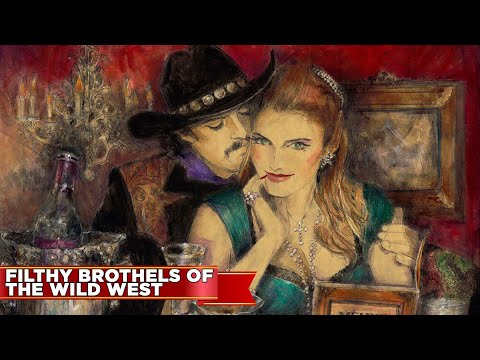
Madams had land, money, and of course, power, but a lot of them used it to get orphans and poor kids into schools, offer help during the Civil War, and provide shelter during natural calamities.
These madams wielded considerable land, money, and, undeniably, power. But their impact wasn't solely self-serving. Many used their influence for genuine philanthropic endeavors. They championed causes like getting orphans and poor children into schools, provided crucial assistance during the American Civil War, and offered shelter and aid during natural calamities. Their contributions were often the bedrock upon which stable communities were built, demonstrating a civic engagement that transcended their controversial profession and shaped the very landscape of the American West.
Votes for Vixens: Wyoming's Radical Leap into Suffrage
Perhaps one of the most astonishing impacts of the saloon girls and madams was their unwitting role in advancing women's rights. It was largely due to the influence of these working women that Wyoming became the first territory to offer women the right to vote in 1869. This was a truly radical move, especially when one considers that the broader women's suffrage movement didn't gain widespread traction in the rest of America until 1920, more than half a century later. Wyoming's progressive stance was, predictably, considered "vulgar" by the more conservative states and territories.
When the men in Washington D.C., their male egos bruised by the idea of women casting ballots, demanded that Wyoming abolish its suffrage law, the territory responded with defiance. Wyoming threatened to secede from the Union rather than rescind the voting rights it had granted its women. Faced with such an ultimatum, Uncle Sam, swallowing his pride, rescinded the demand for abolishing the suffrage law. This bold stand, born in part from the unique social and political landscape fostered by the brothels of the Wild West, had a ripple effect. The idea of an "equality state" spread, and the next eight states to pass suffrage laws were all located in the West, cementing a legacy of progressive thought that originated in the most unexpected corners.
The Many Faces of Sin: From Wagons to Parlors
The working women of the Wild West, often referred to by terms like "sorrel doves" or "white doves," plied their trade in a variety of settings. Their workplaces could range from the raucous atmosphere of a saloon or dance hall to the more intimate confines of a "crib" (a small, purpose-built room), a lavish "fancy parlor house," or simply, the street itself. In the earliest days of the frontier, when settlements were rudimentary, the "humble beginnings" of these establishments often involved the very wagons these women arrived in, serving as temporary places of business until more permanent structures could be erected.
As the madams gained political power and accumulated wealth, proper buildings began to crop up, creating more established venues. The "white doves" operating within these establishments enjoyed a surprising degree of legitimacy regarding the explicit nature of their work. They often had a form of protection, operating right under the noses of authorities in both incorporated and unincorporated territories. This unofficial sanction allowed the trade to flourish, becoming an integral, if often unspoken, part of the frontier economy and social fabric.
Beneath the Silk and Lace: The Brutal Realities of the Trade
Despite the relative legitimacy and financial opportunities, life for these working women was fraught with danger. Wild West towns, even as they grew, remained small, and human populations, well, they had a tendency to populate quite rapidly. There were nights when saloons and parlors would have more customers than the number of available beds, leading to overcrowding and increased risk. While the "ladies of the line" might have had a form of protection from the law, this protection was often limited to a tacit permission to work as a "ceiling expert," a professional term used by their customers that speaks volumes about the nature of their services.
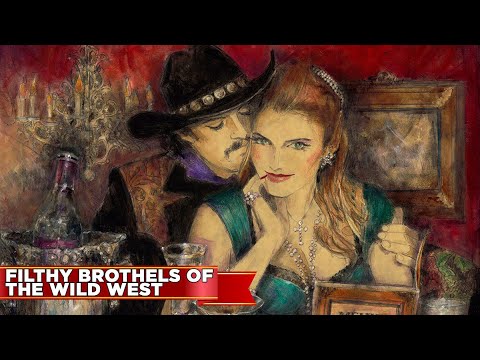
Aggression against these women was rampant. The laws of the time were largely ineffective at protecting a woman's dignity, especially if she was in the business of being a parlor girl. Most often, women hesitated or outright refused to report non-consensual incidents. They knew the police would not take their reports seriously, and the mere act of reporting would turn their tragedy into town gossip, further eroding their already precarious social standing. The fear of death was a constant hazard. Men sometimes became violently possessive over women or demanded more than was agreed upon. It was often necessary for madams and their bouncers to possess the skill to break up a brawl or defend their girls from dangerous men. A tragic example is Madame Belgian Jenny, who died due to her ex-lover, who showed no mercy even after she was already wounded, underscoring the brutal realities faced by these women.
A Silent Scourge: Disease, Desperation, and Dangerous Cures
Beyond the immediate threat of violence, a more silent and insidious peril stalked the working women of the Wild West: venereal diseases. In the 1800s, such diseases were widespread, and the available treatments were often as dangerous as the ailments themselves. Without the benefit of modern medicine (penicillin, for instance, wouldn't be invented for decades), these women were constantly vulnerable. For a madam, ensuring the health of her girls was paramount. A single rumor of illness could severely damage the reputation of her fine establishment.
An archaeological dig of an early Wild West era brothel site has revealed syringes used to inject mercury, arsenic, and vinegar into the body to avoid pregnancies or treat venereal diseases, all of which are bad for the human body.
Many madams, therefore, encouraged or even mandated monthly doctor visits and checkups to ensure their girls remained disease-free. They also insisted on good hygiene and two proper meals a day, hoping to prevent their employees from appearing sickly. While rubber was invented during the Wild West era and was available, it was very expensive, as were the early versions of the diaphragm, making contraception largely inaccessible. Consequently, pregnancies were a common, and mostly unwanted, occurrence in the life of a saloon girl. By some estimates, 20 percent of these workers became pregnant at some point in their careers. Pregnancy was bad for their health, bad for their income, and bad for business. Avoiding pregnancy, however, was a headache fraught with its own dangers. Archaeological digs at early Wild West brothel sites have uncovered syringes used to inject substances like mercury, arsenic, and vinegar into the body, desperate attempts to avoid pregnancies or treat venereal diseases. These substances, of course, were highly toxic and detrimental to human health. The Comstock Act of 1873, which criminalized the distribution of "obscene" materials, including information about contraception, only exacerbated the problem. It forced working women to rely on homemade remedies, which often contained toxic ingredients, frequently derived from plant sources, and rarely produced the desired results. The true number of infants produced by working girls in the old West, and the tragic fates of many, will never be known.
From Brothel to Ballot Box: The Unlikely Political Legacy
While many working women faced difficult lives and uncertain futures, some, particularly successful madams, were able to retire and even forge new paths. The most famous of these unlikely success stories is undoubtedly Sally Stanford. After retiring from her life as a madam in San Francisco, Stanford embarked on a surprising political career. It took her no less than five attempts to win an election to the city council of Sausalito, California. Her persistence eventually paid off, and she later achieved the ultimate political victory, being elected mayor of the same town.
When asked why she continued to run for office after so many defeats, Stanford famously replied with a wry smirk, "We sinners never give up." Her story, while exceptional, serves as a testament to the resilience, ambition, and often overlooked intelligence of many women who found themselves in the brothels of the Wild West. They were not merely victims of circumstance; they were entrepreneurs, community builders, and, in some cases, trailblazers who challenged societal norms and left an indelible mark on American history.
The Wild West, as we've seen, was far more than the simple narratives of cowboys and gold rushes. It was a place where societal rules were rewritten, where desperation met opportunity, and where the most marginalized women became powerful forces of change. The history textbooks may gloss over them, but the madams and saloon girls were instrumental in shaping the frontier, building its towns, and even laying the groundwork for women's suffrage. History, it turns out, is always nuttier, filthier, and infinitely more fascinating than school ever let on.