Forget everything you thought you knew about Vikings. The popular image of a grimy, unkempt brute, all matted hair and battle-scarred stench, is a carefully curated myth. From the late 8th to the 11th century, these seafaring Scandinavians, renowned for their raiding, colonizing, conquest, and trading, were, in fact, paragons of personal grooming. Archaeological finds and contemporary accounts paint a picture not of savage disarray, but of meticulous hygiene, elaborate hairstyles, and even head-to-toe tattoos, shattering our modern preconceived notions of these legendary Norsemen.
Beyond the Berserker: A Culture of Refinement
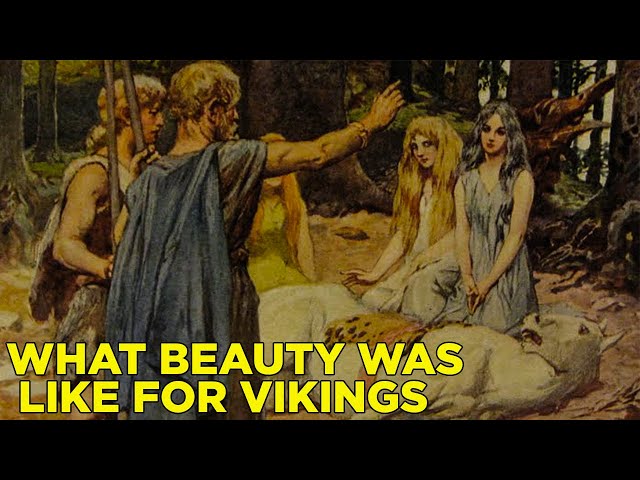
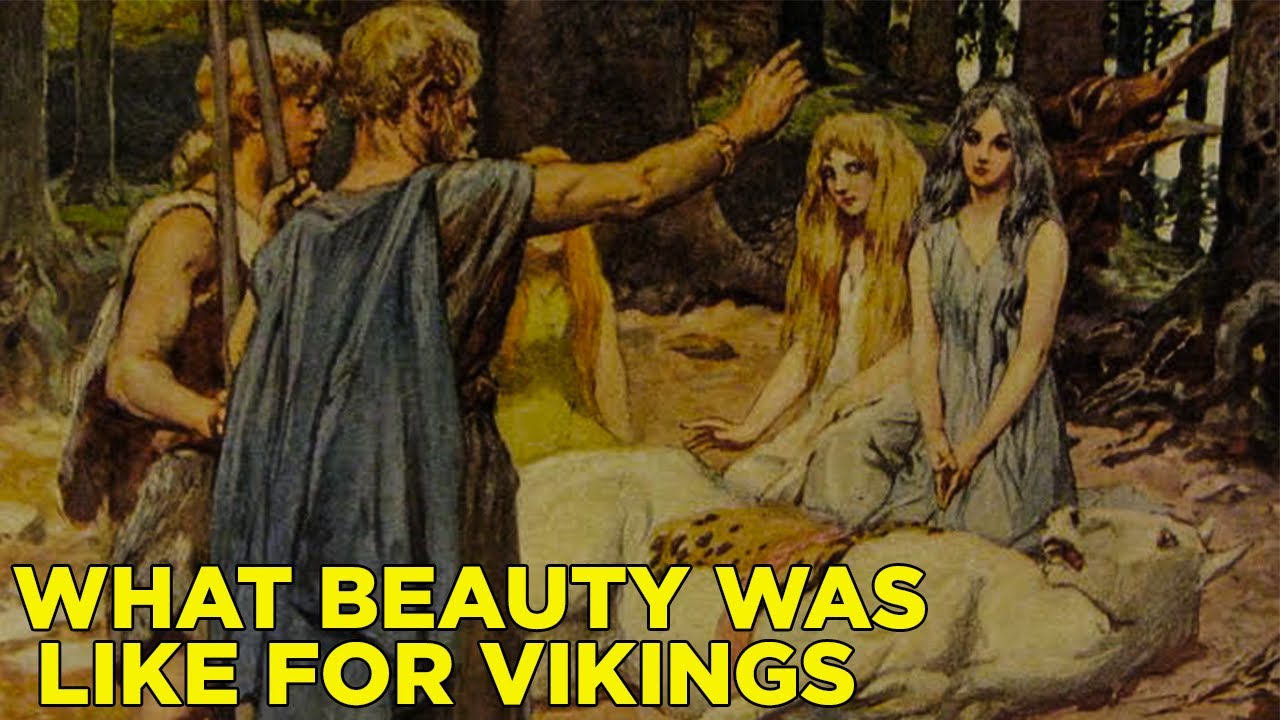
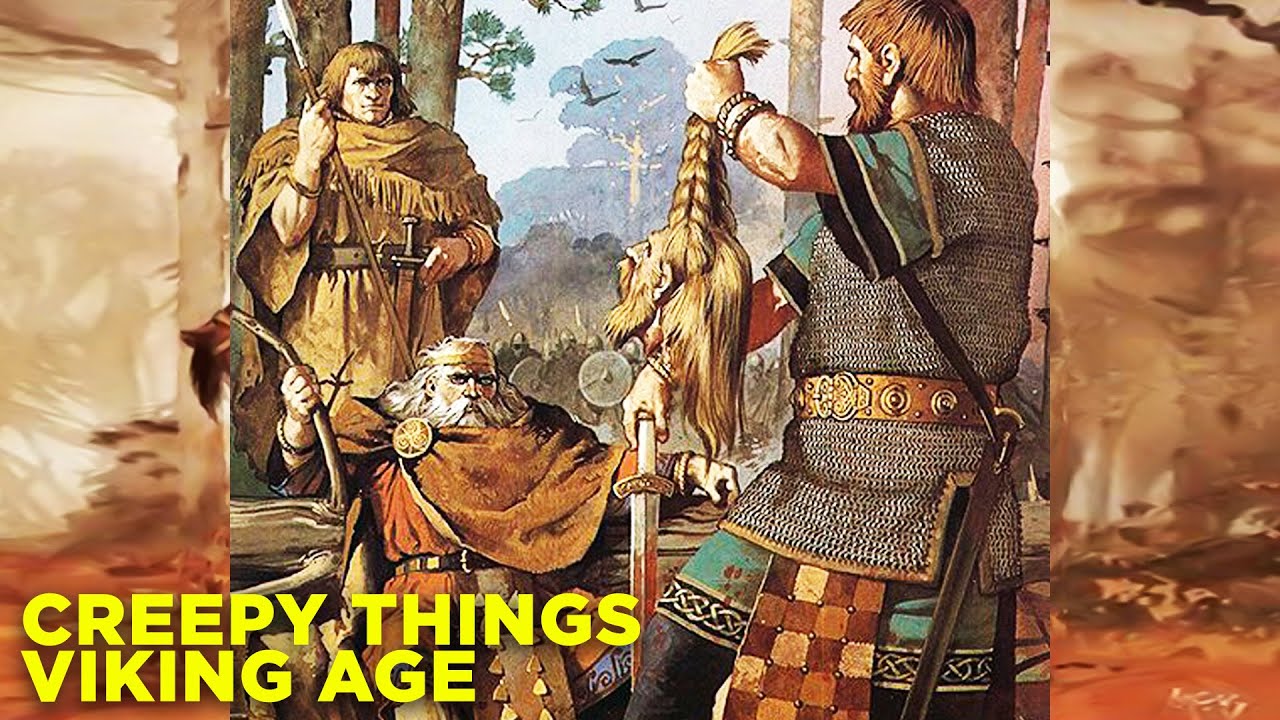
An evocative illustration setting the stage for understanding Viking beauty standards.
Norse society, unlike much of the Romanized world, did not draw a sharp distinction between male and female beauty. The same terms and standards applied to both genders, and discussions of a person's attractiveness were common, often without any inherent sensual overtones. A poet, for instance, could wax lyrical about someone's beauty for pages without anyone assuming romantic interest, a concept that might have made dating a rather perplexing affair in their time. For women, specific markers of allure included the striking whiteness of their arms and the impressive length and lustrous sheen of their hair, with longer locks being universally preferred. One can only imagine the secrets to their hair care, lost to the runes and oral traditions of the age. Archaeological digs have consistently unearthed a fascinating array of grooming tools, underscoring the Viking commitment to personal care. Among these finds are delicate metal toothpicks and intricately crafted ear spoons, items that speak volumes about a culture that valued cleanliness down to the smallest detail. These aren't the tools of unwashed savages, but of people who took considerable pride in their appearance and maintained a standard of hygiene that would surprise many modern observers. The emphasis on such personal items suggests a daily ritual of care, far removed from the dirt-caked image often perpetuated in popular culture. Men, in particular, were known to invest heavily in their presentation. They adorned themselves in clothing of surprisingly bright colors, a stark contrast to the drab hues often imagined. Their attire was frequently complemented by elaborate jewelry and ornate cloak pins, which served not just as decoration but as explicit displays of their personal wealth and status. This sartorial splendor, combined with their meticulous grooming, presented an image of power and prosperity, making it clear that the Viking warrior was as concerned with his appearance as he was with his battle prowess.
The Weekly Ritual: Viking Cleanliness and the Shocked Cleric
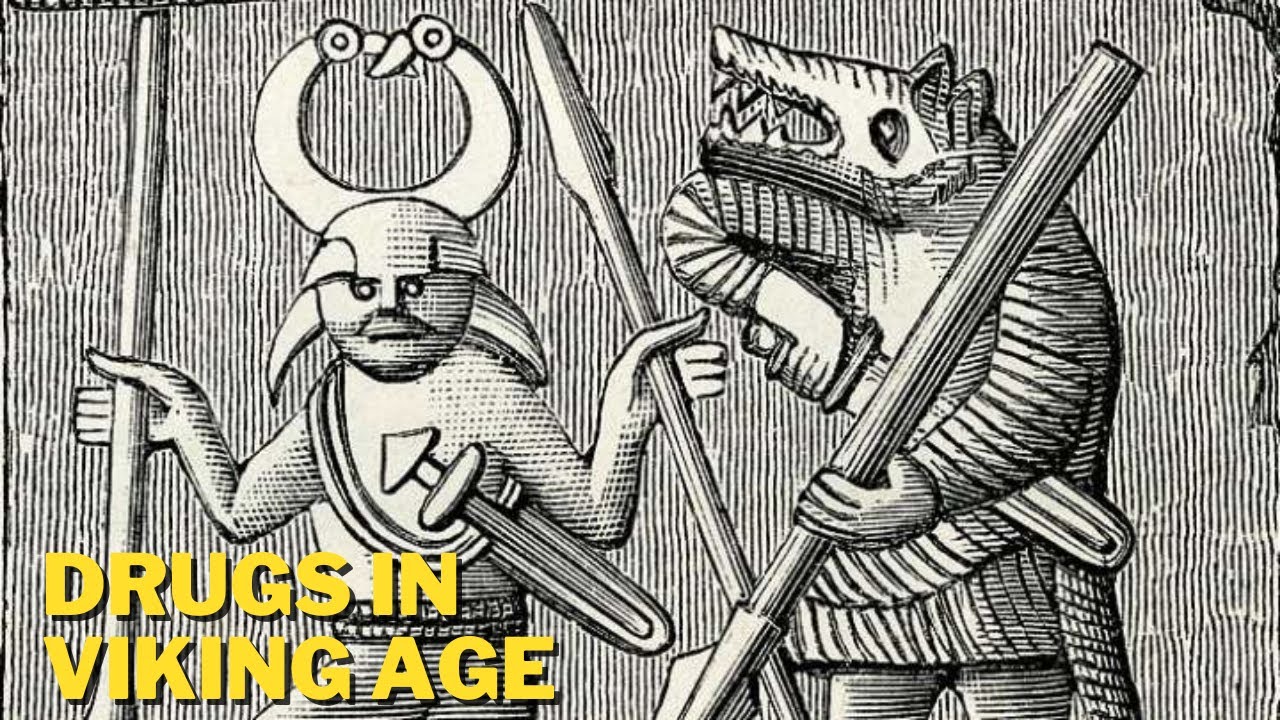
A scene depicting Vikings, hinting at a culture beyond warfare and savagery.
Compared to the rest of Europe during the Viking Age, Norse cultures placed an extraordinarily high emphasis on cleanliness and hygiene. While their European contemporaries might have bathed a mere two or three times a year, Viking men were recorded as bathing at least once a week. This regular regimen was not just about cleanliness, but a fundamental part of their cultural identity, showcasing a profound difference in their approach to personal care. Such frequent ablutions would have set them apart dramatically from most other populations of the era. The Norse versions of saunas, known as sweat baths or steam baths, were a popular method for maintaining their pristine state. These bath houses employed heated stones and hot spring water to generate copious amounts of steam, creating an intense, purifying environment. The process of sweating off dirt and grime was viewed as its own potent form of cleaning, a rigorous and refreshing ritual. One can almost hear the steamy hiss and feel the heat, a far cry from the cold, infrequent dips of their southern neighbors. Their commitment to cleanliness extended beyond the body to their clothing. An English cleric, utterly scandalized by their habits, accused the Vikings of changing their clothes "too much." This seemingly innocuous observation was, in the cleric's view, part of a larger, insidious plot. He specifically accused them of undertaking these actions to undermine the virtue of married women and, even more audaciously, to seduce the daughters of nobles, transforming them into their mistresses. The implication was clear: Viking hygiene was not just about cleanliness, but a weapon of charm, a tool of social infiltration and conquest.
While their European contemporaries might have bathed a mere two or three times a year, Viking men were recorded as bathing at least once a week.
A Subtle Gaze: The Mystery of Viking Cosmetics
Given the Vikings' meticulous hygiene and sophisticated ideas of beauty, one might expect makeup to have been a significant part of their daily routine. Surprisingly, this was not entirely the case, at least not in the sense of widespread facial painting. However, there is intriguing evidence suggesting a more subtle approach to cosmetic enhancement. The writings of Abraham ibn Yaqub, an Arabic diplomat and traveler who visited Viking lands around 965 A.D., provide a key insight. Ibn Yaqub noted that both Viking men and women utilized an "indelible cosmetic" to enhance the beauty of their eyes. It is highly probable, given the available materials and common practices of the time, that this eye enhancement involved lining their eyes with kohl. Kohl, a black powder typically made from antimony sulfide or lead sulfide, was widely used across ancient cultures for its cosmetic and protective properties. Yaqub's observations suggest that it was conventional for Vikings to apply a foreign substance to their faces to subtly alter or improve their appearance, focusing primarily on the eyes rather than broader facial coverage. This historical account complicates the modern belief that Vikings commonly painted their faces with bold, dramatic colors, as often depicted in contemporary media. The lack of extensive artistic depictions showing widespread face paint further supports the idea that such practices were not universal or perhaps not as prominent as eye adornment. It seems their approach to cosmetics was more about refined enhancement than overt declaration, a testament to a different aesthetic sensibility. Perhaps they were simply too preoccupied with their conquests and explorations to spend hours on elaborate face painting, leaving the more dramatic displays to modern sports fans.
Locks of Legend: Men's Hair, Beards, and Bleach
Viking women with serene expressions, suggesting attention to personal appearance.
Viking men had a diverse array of hairstyles available to them, ensuring their locks were always meticulously maintained. They possessed separate brushes for their hair and beards, crafted from materials as varied as bone, antler, wood, and even ivory. Their beards, far from being wild and untamed, were moisturized with a special shampoo concocted from specific oils, beechwood ash, and goat fat. While perhaps not the most appetizing ingredients for a modern kiss, this blend speaks to a sophisticated understanding of hair care. Among the more popular styles of the era was the classic neck-to-shoulder length look, allowing for a magnificent display of healthy, flowing hair. Despite the potential inconvenience during hand-to-hand combat, the aesthetic value clearly outweighed the practical drawbacks for many. However, not all Vikings sported long hair. Well-known wood carvings, such as those found on the Oseberg ship, and the famous Bayeux Tapestry, depict warriors with shorter hair on top, often with the sides and back of the head either shaved or cut remarkably close to the skin. This created a distinct look, sometimes likened to a small patch of grass on the crown, though perhaps less practical for warmth in the harsh Scandinavian winters. One of the most intriguing and perhaps unexpected male Viking looks was the "reverse mullet": long hair on top, but very short hair in the back. This style, which predates the 1980s band Flock of Seagulls by over a millennium, suggests a playful and experimental approach to personal presentation. Taking this unconventional style even further was the legendary Viking leader, Sven Forkbeard (Sveinn Tjúguskegg), who famously had a completely shaved head save for a single, long lock of hair on one side. It was undoubtedly a striking and memorable look, a guaranteed conversation starter in any mead hall or raiding party. Beyond styling, hair color was also a significant aspect of male grooming. Contrary to the popular stereotype, not all Norsemen were naturally blonde. Many were brunettes or redheads, but this did not deter them from aspiring to the golden locks that were à la mode throughout the Viking Age. Lacking modern hair dyes, they achieved this coveted hue through an ingenious and rather harsh method: bathing their hair and beards in a very strong soap made with lye. This potent mixture was capable of effectively bleaching their hair to a desirable blonde shade, perhaps fueling the ancient belief that blondes truly have more fun.
Adorned and Acknowledged: Women's Hair and Status Symbols
While Viking men explored a wider range of flamboyant hairstyles and colors, Norse women maintained a more consistent and often practical approach to their hair. Most women kept their hair long, a symbol of beauty and femininity, and their styling choices were often dictated by the demands of their daily lives, their social status, or their marital standing. Their hair was not merely an aesthetic choice, but a visual indicator of their place in society. One common and elegant hairstyle involved tying their long hair into a single knot at the back of the head, with the free end cascading down like a ponytail. This practical yet graceful style would have kept their hair out of the way during work or daily activities. Women were also known to adorn their hair with colored ribbons, intricately braided into their long tresses. These ribbons served a distinct social purpose: they acted as a clear visual signal, indicating that a woman was unmarried and presumably available. Conversely, the bun look was frequently reserved for women who had, in modern parlance, "put a ring on it." This more structured and formalized style often signified a woman's married status, communicating her position within the community without the need for verbal declaration. The choice of hairstyle, therefore, was far more than a simple fashion statement; it was a nuanced language of identity, status, and availability within Viking society.
The choice of hairstyle, therefore, was far more than a simple fashion statement; it was a nuanced language of identity, status, and availability within Viking society.
Ink of Intimidation: The Permanent Art of the Norse
Graceful Viking women, their hair and attire reflecting societal status and beauty.
While makeup might have been a subtle affair, it is entirely possible that Vikings indulged in something far more permanent: tattoos. Considering their reputation as courageous warriors, as well as their documented skill as craftsmen and artists, the idea of permanent body art makes perfect sense. These were masters of intimidation, projecting an impression of power and brutality that often won battles before a single sword was drawn. From the fearsome dragon heads carved into the bows of their longboats to the markings etched onto their skin, their appearance was an integral part of their psychological warfare. The most compelling evidence for Viking tattoos comes from the Arabic scholar Ibn Fadlan, who encountered the Rus', a group widely believed to be Norse traders and warriors, during his travels. Fadlan meticulously noted that these Rus' men were extensively tattooed, with the markings beginning at their fingertips and continuing up their arms, all the way to their necks. Another account describes seeing tattoos not only on their arms but also across their chests, indicating a comprehensive and full-body approach to their ink. Ibn Fadlan described the ink as appearing "dark green." However, modern archaeological and historical analysis suggests that the actual color achieved would have been closer to a dark blue. This discrepancy is likely due to the primary skin coloring agent used at the time: wood ash. When introduced into the skin, wood ash would have produced a deep blue hue, which might have appeared greenish under certain lighting conditions or to an observer unfamiliar with the precise pigments. While the specific designs are not explicitly detailed, it is highly probable that these tattoos featured patterns, trees, and animals, motifs deeply significant within Norse mythology and culture. These markings would have carried profound personal and spiritual meaning for the Vikings, likely rendering them largely undecipherable to outsiders.
Dressing for Ragnarok: Fate, Appearance, and the Afterlife
Fierce Viking woman with intricate face markings, embodying Norse permanent art.
The Vikings' profound emphasis on being well-groomed, from their meticulous hygiene to their elaborate hairstyles and permanent body art, was not merely superficial. It reflected a deeply ingrained cultural value, one that was intrinsically linked to their philosophical understanding of fate. In Norse cosmology, one never knew the day of one's death, and the specter of Ragnarok, the ultimate destiny of the gods, loomed large. This awareness of an uncertain future fostered a powerful impulse: to always look one's absolute best for the inevitable arrival in the afterlife. This fatalistic worldview essentially gave rise to an ancient form of "YOLO," or "You Only Live Once." If death could strike at any moment, whether in battle, at sea, or through illness, then one should always be prepared to meet their ancestors and enter Valhalla or Folkvangr in peak condition, both physically and aesthetically. Their appearance was a testament to their readiness, their respect for themselves, and their respect for the gods. It was a silent declaration of honor and preparedness, a final flourish before the great unknown. This commitment to personal presentation, driven by a profound sense of destiny, paints a far richer and more complex picture of the Vikings than the barbaric stereotypes often portrayed. It reveals a people who, despite their fearsome reputation, valued beauty, cleanliness, and self-expression, intertwining these aspects with their spiritual beliefs and their warrior ethos. The Norse were not just conquerors of lands, but masters of self-presentation, ready for whatever fate, or the afterlife, might bring. So, the next time you picture a Viking, banish the image of the unwashed brute. Replace it with a vision of meticulously groomed warriors, their hair bleached blonde with lye, their bodies adorned with intricate, dark blue tattoos, their faces perhaps subtly enhanced, and their cloaks fastened with glittering pins. History, as Nutty History consistently reminds us, was almost always far filthier, far weirder, and undeniably far nuttier than any sanitized textbook dared to suggest.