Forget the demure, arranged marriages and Victorian sensibilities often implied by historical narratives taught in schools. Across the vast and incredibly diverse landscape of pre-Columbian North America, love, courtship, and matrimony were often far wilder, more fluid, and surprisingly progressive than most textbooks dare to imagine. From athletic contests to win hearts and musical serenades with repurposed gun barrels, to societies where women held ultimate power in choosing their mates, and even trial marriages that would shock a puritan, the indigenous peoples of this continent crafted a tapestry of relationships that defies simplistic categorization and reveals a rich, complex human experience.
The Sweet Sound of the Suitor's Flute
Before European contact, in 1492, an estimated 10 to 20 million indigenous people inhabited North America, divided into approximately 600 distinct tribes. This incredible diversity naturally led to a vast array of cultural practices, especially when it came to the intricate dance of love and marriage. One of the most enchanting courtship rituals involved music, a universal language of affection.

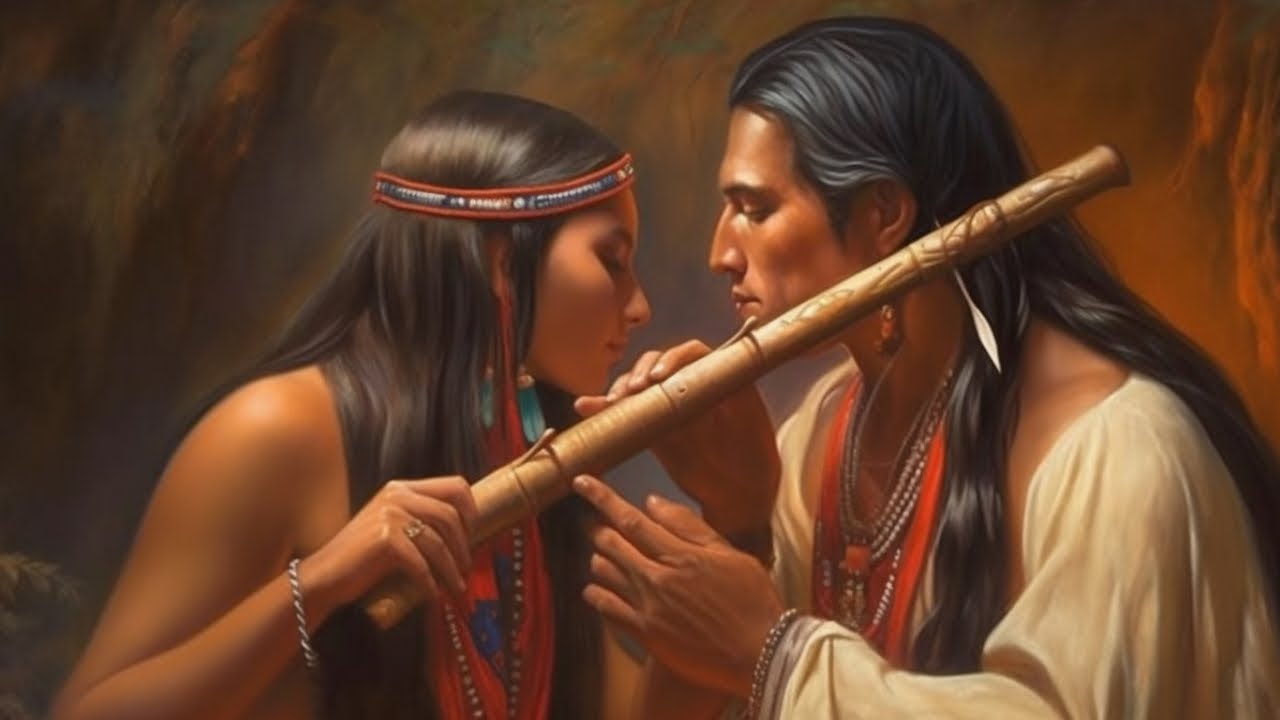
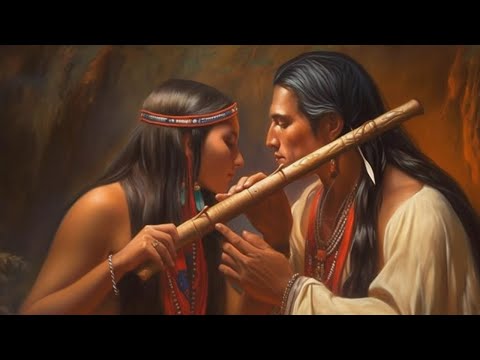
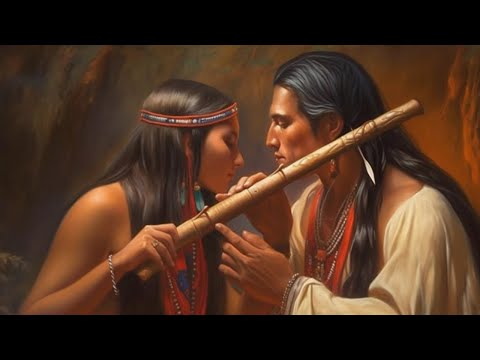
Across the Great Plains, particularly among tribes like the Kiowa, Comanche, Navajo, and Sioux, men often employed a specific type of wood flute to express their feelings to a woman they admired. This "flute courtship ritual" was a profound way for a man to convey his desire and devotion. Intriguingly, as Europeans introduced firearms to the continent, some gun barrels were even repurposed into these courting flutes, creating an unlikely fusion of instruments of love and war. The man would play a series of songs, each imbued with a specific meaning, and the woman would respond with her own song, either accepting or gracefully rejecting his advances.
A notable, though somewhat murky, example of this tradition is said to involve Manuelito, a prominent Navajo leader born in 1818. Manuelito, known for his fierce resistance against both Spanish and American forces during the Navajo Wars of the mid-1800s, reportedly courted the daughter of Chief Narbona with his flute. Having cut his teeth fighting the Mexican army in the 1830s, Manuelito quickly rose through the ranks. By the 1850s, he was a key figure in resisting American expansion, leading a raid on a U.S. military fort in New Mexico in 1860. This led to a brutal campaign by the U.S. military, culminating in the Navajo Long Walk of 1864, where Manuelito and his people were forced to march over 300 miles to a reservation. Yet, before these trials, he was a suitor. Narbona's daughter, despite numerous other prospects, was reportedly swayed by Manuelito's musical prowess and agreed to marry him in a traditional Navajo ceremony. Their union was said to be a happy one, though history reveals a less romantic twist: Manuelito later married an indentured Mexican servant named Juanita, having acquired several such individuals through his raiding activities on Mexican settlements and other Native tribes like the Utes and Hopi. Some accounts even suggest Narbona's daughter might have shared the name Juanita, blurring the lines of this historical romance.
Courtship on the Field: Cherokee Stickball
For many Native American cultures, demonstrating physical prowess and skill was a direct path to a suitor's heart, much like modern athletics. However, for the Cherokee, a game known as stickball, or Ani Jodi, meaning "little brother of war," carried profound spiritual and social significance beyond mere sport. Originating thousands of years ago, stickball served multiple purposes: it was a means to resolve conflicts between tribes, a way to honor the Creator, and, crucially, a powerful courtship ritual.
In Cherokee society, young men used stickball to showcase their courage and skill to potential partners. The game itself was a physical manifestation of the Cherokee dualistic belief system, which posited that the world was governed by two opposing forces: the red force, representing war, destruction, and aggression, and the white force, embodying peace, creation, and cooperation. Stickball teams, therefore, represented these opposing concepts, making each game a cosmic struggle. Before a match, an all-night dance called Saloli was held, where conjurers sang and danced until dawn. Men would sing and dance to empower their team, while women performed rituals to weaken the opposing side. This dance prepared both players and the community, honoring the spirits believed to be present.
The objective of the game was to propel a deerskin or hair-stuffed ball through a goal post using a wooden stick. Matches were often played over vast distances, involving teams from different villages or even rival tribes. While notoriously violent, with players often hitting each other with their sticks to gain possession, stickball was governed by strict rules and was ultimately seen as a means to peacefully resolve disputes. Today, Cherokee stickball endures, a vibrant tradition honoring ancestors, preserving culture, and continuing to symbolize strength, athleticism, and unity, playing an important role in courtship and matchmaking.
When Matriarchs Made the Rules
While many societies, then and now, placed men at the helm of marital decisions, the Haudenosaunee, also known as the Iroquois Confederacy, offered a starkly different model. In their communities, predominantly located in present-day New York State, it was the women who held sway, particularly in matters of love and partnership. Haudenosaunee women were not just highly respected; they held positions of significant authority, including the power to nominate and select the male leaders who represented them in the tribal council.
The continuity of the clan lineage rested firmly with the women, granting them the ultimate say in choosing their partners. When a woman considered marriage, she first consulted her clan mother, who then convened with other female elders. Together, they meticulously evaluated potential suitors, considering not superficial status, but deeper qualities such as personality, character, and reputation. Their choice prioritized a harmonious match that would benefit not only the couple but the entire community, maintaining balance and unity. Once a suitable match was identified, it was the woman who initiated the courtship, perhaps offering handmade gifts like clothing or jewelry, or engaging in friendly conversation to get to know the man better. If his interest was reciprocated, the courtship would continue until they decided to marry.
These women were much more than Housewives who couldn't vote, they were the ones doing the most important voting.
This powerful matriarchal system had far-reaching influence, even extending to the American women's suffrage movement. In the mid-19th century, prominent suffragists like Elizabeth Cady Stanton and Matilda Joslyn Gage visited Haudenosaunee communities. They were profoundly impressed by the matrilineal traditions and the immense power and influence wielded by Haudenosaunee women, who were active decision-makers, not merely relegated to domestic roles. Stanton and Gage used the Haudenosaunee as a powerful example to argue that women were equally capable of leadership and crucial decision-making, criticizing the patriarchal structure of American society and advocating for women's rights. The Haudenosaunee model, therefore, played an important, though often overlooked, role in the fight that ultimately led to the ratification of the 19th Amendment in 1920, granting women the right to vote.
Geronimo's Enduring Scars
The life of Geronimo, one of the fiercest Native American leaders of the 1800s, was a testament to resilience forged in the crucible of profound tragedy. Born in Arizona in 1829, Geronimo grew up amidst constant conflict as Apache tribes fought to defend their lands against Spanish, Mexican, and U.S. colonizers. He became a renowned hunter and warrior, leading war parties and gaining a reputation for bravery and cunning during the Apache Wars of the 1850s.
But the true catalyst for his relentless resistance against both Mexican and American forces can be traced back to a devastating personal loss. When Geronimo was 17, he married Alope, a slender, loyal, and artistic woman from Southern Arizona, near Clifton. The couple settled near his mother, Juanita, in a wikia adorned with buffalo hides, spears, bows, arrows, and intricate buckskin paintings. Geronimo, in his autobiography, Geronimo: His Own Story, described their early years as exceedingly content, blessed with three children. However, in 1851, while Geronimo, Alope, their three children, and his mother were living in an Apache camp in Janos, Chihuahua, Mexico, a horrific event unfolded. On March 5th, a force of over 400 Mexican soldiers attacked the camp, indiscriminately ending the lives of everyone they could find, including Geronimo's beloved wife, Alope, their three young children, and his mother. Geronimo escaped, but the massacre irrevocably scarred him, becoming the primary motivation behind his legendary campaigns of guerrilla warfare against those who encroached on his people's land. Despite this heartbreak, Geronimo would go on to have five other wives, as polygamy was an accepted practice among the Apache, often viewed as a sign of wealth and power before the erosive effects of colonization.
The Progressive Practice of Trial Marriages
In stark contrast to the "no intimate relations before marriage" prudishness often associated with 19th-century European settlers, many Native American tribes held surprisingly liberal views on sensuality and partnership, views that align more closely with modern dating norms. One such practice was the "trial marriage," or "shacking up," which was common across various tribes, particularly in the Great Basin region among the Shoshone, Paiute, and Ute peoples.
These cultures were characterized by a sensually egalitarian approach, where both men and women were encouraged to explore and gain experience. Intimate relations before marriage were not demonized but rather seen as a normal and healthy part of growing up. If a young man and woman found themselves compatible, their families might initiate a trial marriage, allowing the couple to live together for a period to assess their long-term compatibility. This practical approach allowed young people to develop experience and knowledge about relationships and physical intimacy, fostering successful partnerships. It also promoted a more egalitarian courtship and marriage process, where both partners had an equal say in decision-making. Ultimately, trial marriages reflected a broader cultural embrace of love and partnership as a rich, experiential aspect of the human journey.
Polygamy was an accepted practice among the Apache and marriages were more like a thing to do rather than an eternal bond.
The White Comanche: Cynthia Ann Parker's Divided Heart
The story of Cynthia Ann Parker is a poignant and complex tale from the American West, embodying either a dramatic case of Stockholm syndrome or a profound intercultural love story, perhaps both. In 1836, when Parker was just nine years old, her family's Texas settlement, Fort Parker, was raided by Comanche warriors. Cynthia was captured, and most of her family perished. She was subsequently raised as a Comanche, given the name Naduah, and fully adopted their language, customs, and way of life.
Naduah eventually married Peta Nocona, a powerful Comanche chief. While it was common for Comanche men to have multiple wives, Nocona was reportedly so enamored with Naduah that he never took another. Their marriage, likely arranged by Nocona's father, Chief Iron Jacket, deviated from traditional Comanche wedding practices, which usually involved the man proving himself to the woman's family through hunting prowess or exchanging gifts. For some Southern Plains tribes, including the Comanche, marriage could be as simple as a couple deciding to live together, with the community accepting their union. Regardless of how it began, Cynthia Ann and Peta Nocona reportedly shared a happy marriage and had several children, including Quanah Parker, who would become one of the most famous Comanche warriors in history.
Despite the potential for their union to symbolize unity between Comanches and white settlers, it remained controversial, with many white settlers believing Cynthia Ann had been stolen and forced into marriage. However, numerous attempts to "rescue" her over the years were met with her refusal to return. In 1860, Texas Rangers, after another raid on Fort Parker, located Nocona's band. During the subsequent attack, Nocona was killed while attempting to escape with Cynthia and their children. Cynthia was forcibly reunited with her biological family, but after 25 years as a Comanche, she struggled immensely to readjust to white culture. Despite becoming a minor celebrity, receiving land grants and a monthly salary from the U.S. government, she was heartbroken by her husband's death and the subsequent loss of two of her sons, who died fighting the U.S. army. Cynthia Ann Parker died just a few years later at the age of 45, unable to reconcile her dual identities as a white woman and a Comanche.
Mythic Love on the Mound Cities
Imagine journeying down the Mississippi River a thousand years ago, not seeing sparse settlements, but thriving metropolises. The Mississippian culture, flourishing from around 800 to 1600 A.D., built impressive cities and monumental mound pyramids along the river, making it their Nile. These complex societies, with their elaborate mythologies, wove tales of love, marriage, and dramatic love triangles into their very fabric.
A popular myth across both North and South America centered on the Hero Twins, often named Thunder Boy and Lightning Boy among the Mississippians. These brothers, typically opposites in character, invariably worked together to overcome supernatural foes. While their adventures often involved beheadings and destruction, they also contained elements of deep affection. One Cherokee myth, connected to the Hero Twins, tells of two brothers who fall in love with a beautiful woman also desired by the Sun God. To win her hand, the brothers completed a series of challenges set by the Sun God, including hunting and farming tasks. Ultimately, the older brother won her hand, while the younger married her sister, a convenient resolution. Another widespread Mississippian narrative featured the Corn Maiden, a creation story about the origins of corn and the importance of respecting the natural world. In some versions, she was the daughter of the Sun Father, created from cornmeal. Her exquisite beauty captivated all the men in her tribe, who desired to marry her. Yet, the Corn Maiden, dedicated to ensuring bountiful harvests each season, resisted distraction from her vital task, highlighting a different kind of devotion.
Matrimony as Nation-Building
Throughout history, marriage has served as a powerful tool for forging alliances, uniting clans, tribes, or noble families, and consolidating power. From the marriage of Ferdinand II of Aragon and Isabella of Castile, which unified Spain, to modern royal unions, the political weight of matrimony is undeniable. In Native American societies, marriage played an equally critical role in nation-building and strengthening inter-tribal connections.
Despite the more open approaches to premarital relations and egalitarian social structures found in many indigenous cultures, arranged marriages were also common. These unions, orchestrated by parents or community elders, were strategic, designed to create alliances between different tribes or strengthen ties between families within a tribe. The goal was to establish a robust network of relationships that could facilitate trade, defense, and other forms of cooperation. Intermarriage between tribes was another potent way to foster a sense of unity and shared identity, particularly crucial in resolving historical conflicts and promoting peace. By intermarrying, tribes could build trust and cooperation, paving the way for harmony.
Marriage also became a complex bridge between Native Americans and European colonizers, though often with fraught outcomes. Sacagawea, born into the Lemhi Shoshone tribe around 1788, was captured at age 10 by rival Hidatsa warriors. She was later acquired by Toussaint Charbonneau, a French-Canadian trader, as a second wife. Though seemingly forced, this union proved instrumental to the success of the Lewis and Clark expedition, as Sacagawea's linguistic skills and knowledge of the land were invaluable. However, intermarriage was not always accepted. Cherokee Chief John Ross, born to a Cherokee mother and Scottish father, and himself married to a white woman, staunchly opposed intermarriage between Cherokee women and non-Cherokee men. As the Cherokee Nation modernized, adopting aspects of white culture like private property and slavery, a belief in racial purity emerged. In 1839, Ross signed a law that restricted such marriages, expelling white men who married Cherokee women and stripping Cherokee women of their citizenship if they married non-Cherokee men, including African-American men and men from other Native tribes. Thankfully, this restrictive law was repealed in 1866.
The historical tapestry of love and marriage among Native American peoples reveals a world far more nuanced, practical, and sometimes profoundly tragic than the simplistic narratives often presented. From the sacred flute's call to the brutal realities of war and forced assimilation, these stories underscore that human connection, in all its forms, has always been the bedrock of culture, identity, and survival, in ways that continue to surprise and challenge our modern assumptions.