The Victorian era, often whitewashed in our collective memory as an age of unparalleled refinement and strict moral rectitude, was in reality a far messier affair. Beneath the starched collars and corseted propriety, a sprawling, illicit industry thrived, its tendrils reaching into every stratum of society. Forget the delicate sensibilities often attributed to the period; London alone hosted more brothels than schools, a stark testament to the true, unvarnished desires and desperate realities that pulsed beneath the veneer of respectability. This was a world far wilder, more pragmatic, and undeniably dirtier than any textbook dares to admit.
The City's Hidden Economy: When Vice Outnumbered Virtue
For centuries, the "oldest profession" had been an undeniable, if often unacknowledged, fixture of urban life. However, it was in the crucible of the 19th century that it acquired its infamous tag as a "great social evil." This perception shift wasn't organic; it was meticulously engineered by a wave of propaganda from newspapers and pamphlets, casting a long, dark shadow over the women involved and fostering a hostile environment. This societal condemnation, in turn, fueled the very shadows where figures like the infamous Victorian Jack could operate with chilling impunity.
Yet, for all the moral outrage, the industry itself was booming. Consider the sheer scale: in 1857, a year often considered the peak of the Victorian era, Henry Mayhew, a social investigator, estimated that around 8,600 women were engaged in the trade in London. This figure, however, was notoriously inaccurate, based primarily on women known to the police. The actual number, a truly staggering figure, was closer to 80,000 women in London alone. This wasn't a fringe activity; it was a vast, pervasive industry, deeply embedded in the economic and social fabric of the capital. Its popularity was no accident, building on a "golden age" the brothel industry had enjoyed throughout the 17th and 18th centuries, maintaining its prominence despite society's shifting, and often hypocritical, perceptions.
A Woman's Grim Choice in a Man's World
The stark economic realities of Victorian England offered women few avenues for genuine independence, making the "oldest profession" a tragically logical, if desperate, choice for many. Imagine a woman, intelligent and well-educated, living in an era when another prominent woman sat on the throne, supposedly offering "ample opportunities" for learning and productivity. Yet, the catch was always her gender, which irrevocably determined her wage, not her effort or skill. Women who acquired valuable, high-level skills, such as typing or shorthand, would, at the very top of their game in reputable establishments, still only earn an average of 25 shillings per year. This meager sum was nowhere near enough to support themselves, let alone any children, leaving them largely dependent on a husband's often insufficient wage.
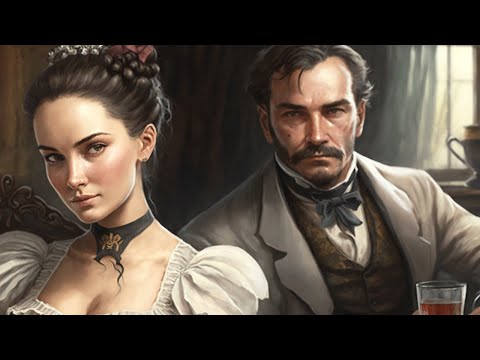
In stark contrast, brothels presented a compelling alternative. They offered shorter working hours, significantly higher wages paid in cash, and a degree of independence otherwise unattainable. For women blessed with good looks, this profession promised a much better chance of success in a remarkably short time. Beyond the financial incentives, brothels offered liberation from the patriarchal structures that defined other employment options. In modest London, a woman's choices were largely confined to being a street vendor, a shop girl, or, if she were exceptionally fortunate, a household servant to a lord or lady. But within the walls of a brothel, even a woman from the lowest classes could secure an income sufficient to live a life of relative comfort, free from the crushing dependency on a male figure. Not every woman achieved such heights, of course, but the possibility was a powerful draw in an age of limited options.
The actual number, a truly staggering figure, was closer to 80,000 women in London alone. This wasn't a fringe activity; it was a vast, pervasive industry, deeply embedded in the economic and social fabric of the capital.
The Stratified Sisterhood: From Courtesan to Streetwalker
The world of Victorian prostitution was far from monolithic; it was a highly stratified ecosystem, mirroring the rigid class distinctions of society itself. To achieve a lavish lifestyle akin to the nobility, a woman's primary qualification was, perhaps unsurprisingly, exceptional attractiveness. These were the high-class courtesans, women whose beauty and charm would be compared to modern-day supermodels. They served an exclusive clientele: the elite nobles, aristocrats, Members of Parliament, individuals connected to the royal family, lords, generals, and the very cream of industrialists. Many of these women worked exclusively with single, wealthy clients, often becoming their mistresses, living within their families' households, and, in some rare instances, even marrying them. These were the highest-rated, most sought-after professionals, operating outside the confines of traditional brothels, commanding their own terms and reputation.
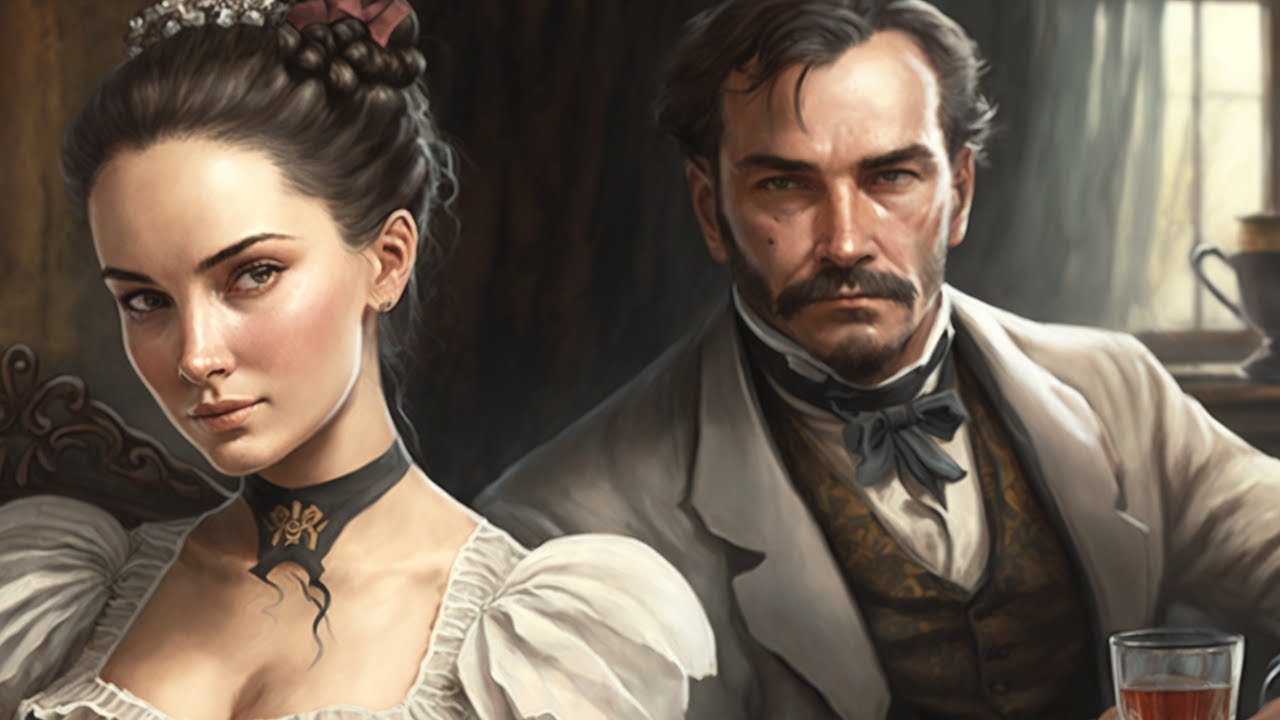
Below them were the middle-class freelancers, women who also typically avoided working directly in brothels. They preferred the autonomy of their own apartments, serving a diverse array of clients, though some might also ply their trade on the streets. This independence, while appealing, came with significant drawbacks: a complete lack of job security or the protection afforded to those working within an establishment. Consequently, they were more vulnerable to infectious diseases and the unpredictable, sometimes violent, whims of their clients. This particular class included a surprising number of married women, whose husbands often acted as their agents and protectors. While shocking to modern sensibilities, it was a practical arrangement in Victorian London, where many street vendors, for instance, would have their wives engage in prostitution to supplement their income, struggling to meet the ever-growing demands of household expenses, especially with the exorbitant cost of Victorian fashion, where even "rags" could cost a fortune. Some wives consented, others were coerced, but for single, low-class women, it was often the only viable path to survival until a suitable marriage could be secured, a profession that, ironically, sometimes even aided in finding a match.
At the bottom of this hierarchy were the lowest-class brothel workers, the women who actually lived and labored within the brothels themselves. Their conditions were often poor, filthy, and unkempt. They were afforded no choice in their clients, forced to serve whomever the madam selected, and were not permitted to deny services. Despite these harsh realities, madams often made efforts to monitor their workers' health, primarily to protect their investment. Venereal diseases were not only a threat to a woman's longevity in the trade but also brought disrepute and financial ruin to the establishment itself, highlighting the pragmatic, if brutal, economics at play.
Beyond Vanilla: Specialized Desires and Sporting Guides
While the various classes of brothel workers might have been cut from the same cloth of necessity, the services they provided were anything but uniform. The Victorian era, for all its public prudishness, was a hotbed of unspoken desires and unfulfilled marital expectations. Many men found their wives biologically or culturally incapable of satisfying certain urges, often too timid to even articulate them. Brothels, however, were sanctuaries of non-judgment, places where inhibitions could be shed, and desires, no matter how unconventional, could be met, provided one knew where to look.
Recognizing this untapped market, brothels began to specialize, offering exclusive services tailored to specific tastes. Themed brothels emerged, designed to cater to particular fantasies, while maintaining strict client privacy and warding off "risky vagrants." To navigate this complex landscape, and to assist prospective clients in selecting their preferred "product," brothels published "sporting guides" or catalogs. These remarkable books provided detailed profiles of the women available, including their ages, physical descriptions, personality types, and the cost of their services. Clients could browse these guides from the comfort and discretion of their own homes before visiting an establishment.
One of the most famous and revealing of these publications was The Swell's Guide Through the Metropolis. In 2018, an extremely rare first edition of this guide was unearthed, offering an astonishing, eye-popping insight into the hidden world of Victorian London's brothels. These guides were not just directories; they were a window into the era's secret sexual marketplace, demonstrating a level of organization and specialization that belied the public's condemnation of the trade.
Minds Over Manners: Education and Enlightenment
Surprisingly, the 19th century, despite its general conservatism regarding women's roles, was relatively liberal in its approach to female education. However, this education was largely constrained to skills deemed attractive for marriage, not for enabling women to earn an independent living. Consequently, the vast majority of working-class women remained illiterate, unable to read or write. Henry Mayhew's research confirmed this, revealing that a mere 5% of low-class brothel workers possessed literacy skills. These women would often ask their clients to read newspapers aloud to them, a peculiar form of shared literacy that allowed them to stay abreast of current events, a stark contrast to the isolation of their daily lives.
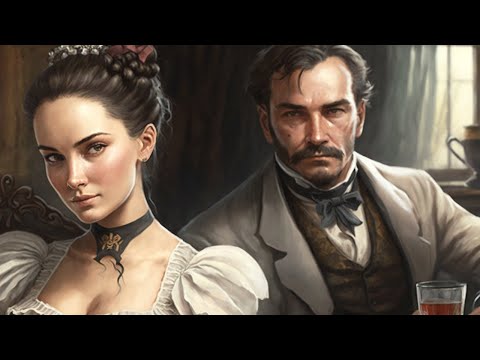
Higher-class courtesans, however, often received a much more comprehensive education, reflecting the expectations of their elite clientele. They were typically skilled in etiquette, dancing, drawing, and playing the piano, accomplishments that made them desirable companions for gentlemen of status. As they spent much of their time interacting with Members of Parliament, aristocrats, and other influential figures, these women often became far more cultured and knowledgeable about the world than their sheltered, domestic "homemaker" counterparts. Their education, while perhaps unconventional in its application, provided them with intellectual and social capital that transcended mere physical allure, allowing them to engage in sophisticated conversation and navigate complex social circles with ease.
The Contagious Diseases Act was a draconian measure, forcing any woman suspected of "coital services" to undergo an unavoidable medical examination. If found infected, she would be forcibly confined to a "Rehabilitation for the Fallen Women" for up to three months.
The Shadow of Sickness and State Control
Life as a brothel worker, regardless of one's position in the hierarchy, carried significant risks, not least of which was the constant threat of infectious diseases. Venereal diseases were rampant in the 1800s, so prevalent that they claimed as many military men as did battle itself. This grim reality led to the passing of the Contagious Diseases Act in the British Parliament, a draconian measure primarily aimed at protecting the health of the armed forces. Under this act, any woman merely suspected of engaging in "coital services" could be summoned by the authorities to undergo an unavoidable medical examination. If she was discovered to be infected, she would be forcibly committed to a "Rehabilitation for the Fallen Women" for a period of up to three months, ostensibly for treatment, but effectively a punitive incarceration.
This legislation, while framed as a public health initiative, disproportionately targeted and victimized women, stripping them of their civil liberties without due process, while their male clients largely escaped scrutiny. Yet, in a curious paradox, women working in brothels were often found to be healthier than the average working-class woman. This wasn't due to superior medical care, but rather the relative alleviation from the grueling physical demands of other labor. Unlike their peers toiling away in factories for fourteen hours a day, brothel workers, despite the inherent risks of their profession, were spared some of the most backbreaking and health-destroying forms of industrial labor, a testament to the brutal conditions faced by the broader working class.
The Victorian era, with its grand pronouncements of moral superiority and its tightly laced public image, was, in truth, a labyrinth of contradictions. Its secret history, unearthed through the lives of those who existed on its fringes, reveals a society far nuttier, more pragmatic, and undeniably filthier than the sanitized versions we often encounter. Forget the polite drawing rooms and prim sensibilities; the real Victorians were wrestling with economic desperation, unbridled desires, and a sprawling, illicit economy that defied all attempts at suppression. History, it turns out, was always more interesting when it got its hands dirty.