Sun Tzu, the ancient strategist, famously declared that speed was the essence of war. He could not, in his wildest philosophical imaginings, have foreseen how literally this dictum would be interpreted centuries later, particularly by Adolf Hitler's Third Reich. What began as a seemingly innocuous pharmaceutical creation, a little pill promising boundless energy and focus, swiftly transformed into the engine of the Blitzkrieg, shaping the early, terrifying successes of Nazi Germany. This was not merely a footnote in military history, but a central, chemically-induced phenomenon that turned ordinary soldiers into relentless, sleepless machines, all while exposing the profound hypocrisy at the heart of Nazi ideology.
The Führer's Forbidden Fix: Nazi Hypocrisy and the Cult of Speed
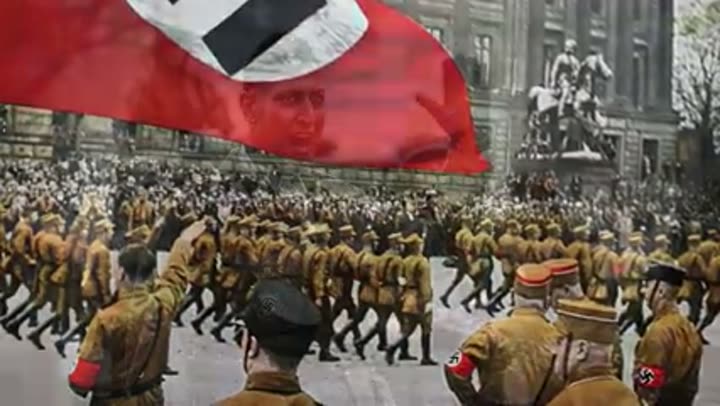
The image of Nazi Germany is often one of rigid discipline and ideological purity, a regime that vehemently denounced anything that might weaken the Aryan race. Indeed, Nazi ideology was fundamentally anti-drug. Social use of drugs was considered a sign of individual weakness and moral decay for the entire society. Yet, in a spectacular display of hypocrisy, the very regime that preached abstinence and strength embraced a powerful stimulant for its military, touting "black beauties" as a privilege offered only to its soldiers. While other substances like alcohol or "white junk" (heroin or cocaine) were banned or discouraged for the populace, speed was heralded as a miracle product, a direct antidote to weakness.
This potent chemical, known by various street names today, found its commercialization just in time for mass consumption during World War II, driven by the leading industrial powers. The war became the greatest impetus to date for both legally authorized and illicit abuse of amphetamines and similar drugs on a global scale. While Japanese, American, and British forces certainly indulged in these "brain ticklers," it was the Germans who established the trend during the initial phases of the war, long before others fully joined the bandwagon. The little pill, promising energy and confidence, resonated eerily with the Nazi slogan, "Germany Awake," playing directly into the Third Reich's obsession with physical and mental superiority. Unlike escapist drugs, amphetamines delivered hyper-alertness and vigilance, making them perfectly suited for the regime's unholy quest for a "super soldier." Hitler himself declared, "We don't need weak people, we want only the strong," a sentiment that made the abuse of speed synonymous with strength and the pursuit of even greater power. The drugs were, in a twisted sense, seen as a small shortcut to transform ordinary men into the superhuman warriors of Nazi propaganda, the fabled "bumblebees" or "lightning oranges" of their terrifying war machine.
From Olympic Doping to Blitzkrieg Fuel: The Birth of a "Miracle" Pill
The genesis of Germany's amphetamine obsession can be traced not to a military lab, but to the athletic fields of the 1936 Berlin Olympics. It was there that German chemist Friedrich Hauschild observed American athletes using Benzedrine, an American version of "pixies," for doping. This particular amphetamine was already known to be used by US forces during World War II, especially by Air Force pilots who needed to stay awake and focused for extended periods in the skies. Hauschild, intrigued by its effects, embarked on his own research, ultimately synthesizing a close chemical cousin to these American amps.
This new drug, which would later become the central plot device of a popular 21st-century TV show about a cancer-ridden teacher turned underworld kingpin, was developed while Hauschild was working for Temmler-Werke, a Berlin-based pharmaceutical company. In the winter of 1937, Temmler-Werke proudly unveiled its new product: Pervitin. Thanks to an aggressive advertising campaign, Pervitin quickly became a household name within months. The tablets were wildly popular, easily purchased without a prescription in pharmacies. One could even buy chocolates laced with the stimulant, a chilling precursor to its widespread military application. Yet, at this point, Pervitin's most significant, and most devastating, use was still on the horizon.
"Germany Awake!": Pervitin's Civilian Takeover
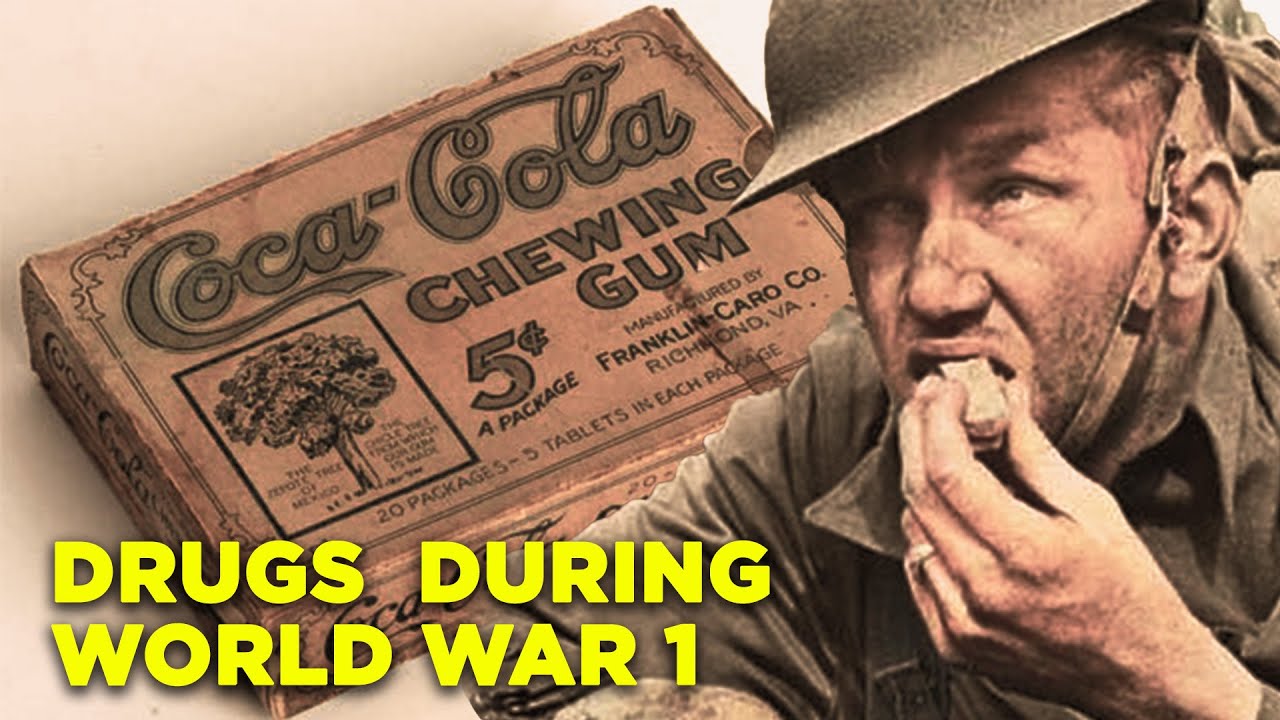
Initially, Pervitin was never conceived as a military drug by the Nazis. Its primary purpose was to compete with popular American beverages like Coca-Cola, which had gained a foothold in Germany. Temmler-Werke even hired the firm Mathis & Sohn to handle the advertising campaign for their new "casual drug." This seemingly benign commercial venture tapped into a deep vein of national anxiety. Germany at the time was reeling from the humiliation of defeat in the First World War, the punitive Treaty of Versailles, a crippling economic crisis, and pervasive political turmoil. Nationalist rage simmered, and the bugles for another great war were beginning to blare. For the average German citizen, coping with such immense pressures was a daily struggle.
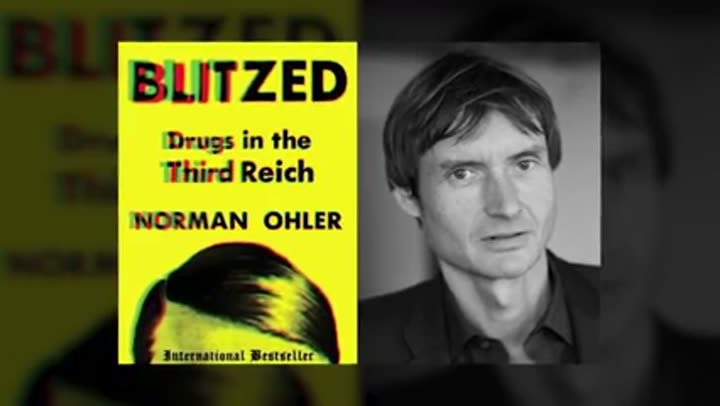
Into this maelstrom of despair and uncertainty stepped Pervitin, offering a potent cocktail of vigor, efficiency, and calmness. The population welcomed the energizing substance with open arms. It was cheap, helped people work longer and harder, and spread a sense of euphoria throughout the country. Crucially, at the time, it was not even considered a drug in the pejorative sense. Billboards promoting Pervitin were strewn across Berlin from 1938 until its regulation in 1941, illustrating its widespread acceptance. According to Norman Ohler's book, Blitzed: Drugs in Nazi Germany, the entire nation was, at one point, dependent on speed. This widespread civilian use set the stage for its eventual, far more sinister, military application.
"The little pill had a poetic connection with the Nazi slogan Germany awake as it would energize and boost the confidence of the soldiers."
The Chemist's Coup: Engineering the Super Soldier
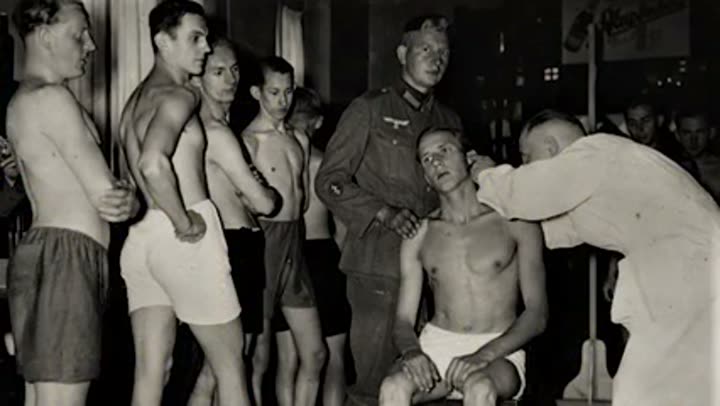
The idea of a chemically enhanced soldier was not a sudden revelation. Adolf Hitler himself was introduced to drugs by his personal physician, Theodor Morell, suggesting a top-down acceptance of pharmacological assistance. The military, ever seeking an edge, soon put Pervitin to the test. Otto Ranke, Director of the Institute for General and Defense Physiology at Berlin's Academy of Military Medicine, conducted experiments on students to assess its impact on focus and work behavior. His conclusions were unequivocal: the drug could indeed bolster German efforts on the front lines.
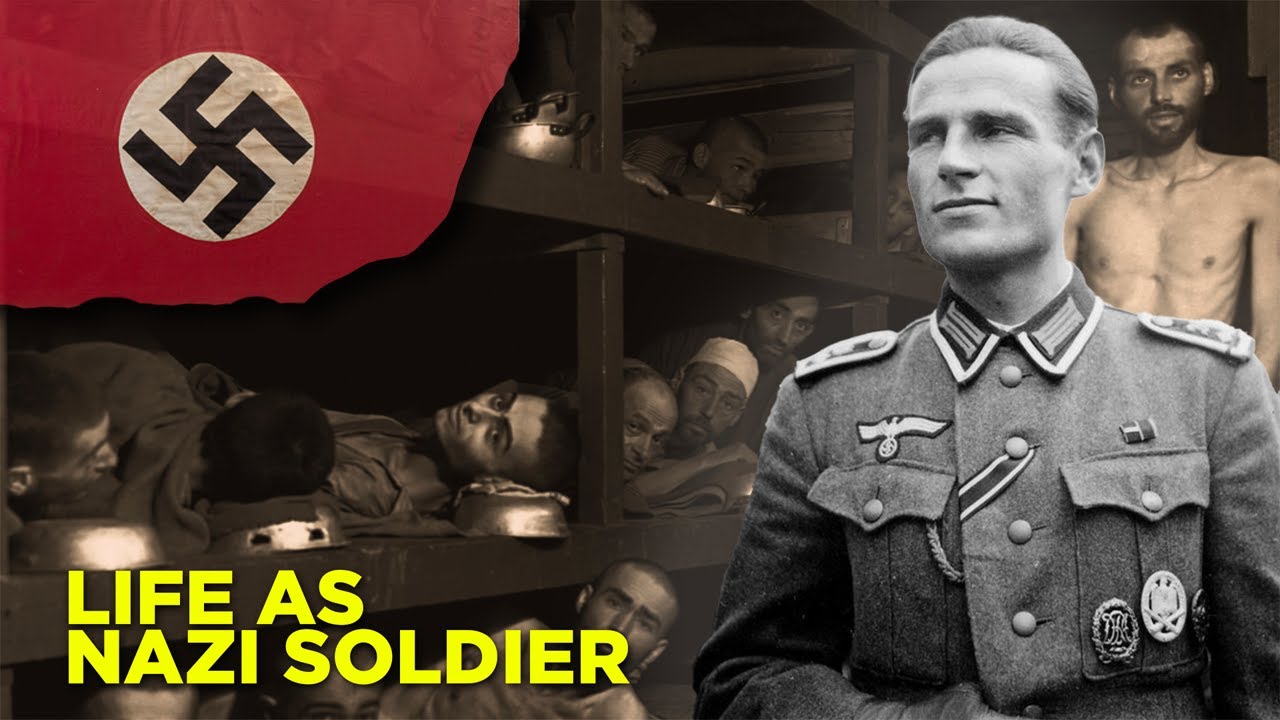
Ranke enthusiastically suggested that speed and its compounds could significantly improve soldiers' performance. Following his research, Pervitin was formally introduced into the daily rations of Nazi soldiers, to be consumed up to twice a day. The effects were almost immediate and profoundly disturbing. Soldiers exhibited fearlessness and an unnatural elation, even in the most morbid and brutal situations. Ranke's vision of defeating the enemy with chemically enhanced soldiers was now a terrifying reality. Reports emerged of soldiers marching 60 kilometers and working non-stop for three days without sleep, a feat previously unimaginable.
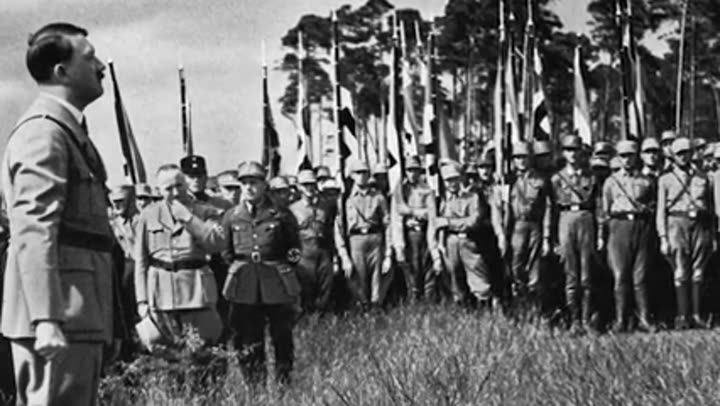
Before its crucial role in the invasion of Poland, the drug was given a test run by the Wehrmacht's medical officers. Soldiers of the Third Tank Division were ordered to take Pervitin during the occupation of Czechoslovakia in 1938. The success of this trial cleared the path for its widespread military use, unleashing a new era of warfare.
Unleashing the Lightning War: Pervitin's Early Triumphs
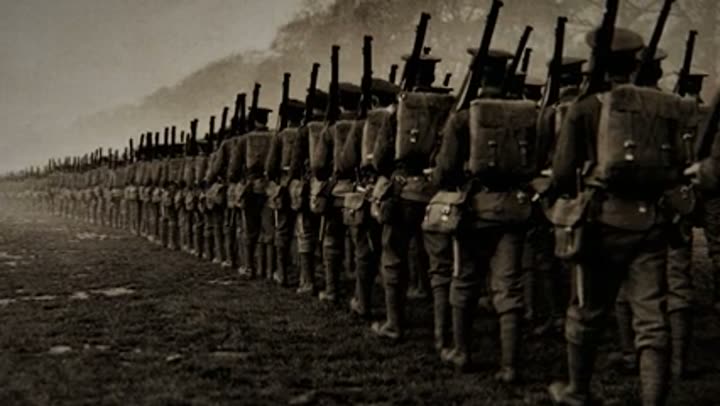
Pervitin proved to be the ultimate aid in some of Germany's most infamous early victories. It fueled the invasion of Poland in 1939, an operation that tragically led to the deaths of over 100,000 Polish soldiers. It was this campaign, characterized by unprecedented speed and surprise, that birthed the term Blitzkrieg, or "lightning war." High on speed, German soldiers could emphasize haste and surprise, catching the enemy off guard and trampling over their defenses. Pervitin eliminated what typically differentiates humans from machines: fatigue. The need for rest, sleep, and even food became a tale of the past. Nothing seemed to slow down as tanks and companies of men marched together at an unrelenting pace, driven by a chemical imperative to conquer all of Europe for their Führer.
Otto Ranke was reportedly "over the moon" with the success of his little find, becoming a daily user of the drug himself. His correspondence indicates that he and his desk workers were also working without any sleep, popping pills left and right, ignoring prescription limits to manage the self-inflicted demands of their jobs. The drug enabled the blitzkrieg through the French Ardennes in 1940 and the Balkan campaign of 1941, where Germans fought unceasingly for 11 days. The fall of Denmark and Norway in 1940 occurred within a month, followed swiftly by the annexation of Holland, Belgium, and finally France. German tanks, propelled by Pervitin-fueled crews, covered an astonishing 240 miles of challenging terrain, including the supposedly impassable Ardennes forest, in just 11 days. They bypassed entrenched British and French forces, who had mistakenly assumed the Ardennes would provide a natural barrier. Paratroopers, likely also dosed, sometimes landed ahead of the advance, causing chaos behind enemy lines.
The British press, confounded by the speed and ferocity of the German advance, described the soldiers as "heavily drugged, fearless, and berserk like Vikings." Even Winston Churchill, in his memoirs, confessed that he was "dumbfounded by the overrunning of the whole communications and countryside by an irresistible incursion of armored vehicles," admitting it was the "greatest surprise of his life." Pervitin, it seemed, was truly a miracle drug for the early years of the war.
The Price of Relentless Pace: Side Effects and a Nation Hooked
But Pervitin was no true miracle. It was, as the saying goes, burning the candle from both ends. Nothing in the universe is as benevolent as Pervitin promised to be for Hitler's Germany, and the drug inevitably exacted a heavy toll. Early reports found in the archives mentioned adverse effects such as exhaustion, heart pain, and circulation problems. These alarming findings instigated further study, led by the Reich Health Fuhrer, Leonardo Conti, who, among others, soon sounded the alarm bells about the inherent risks of Pervitin.
This led to its regulation and prohibition in 1941, restricting its availability to prescription only. However, these warnings largely fell on deaf ears. Despite Hitler and the Nazi party's anti-drug rhetoric, disseminated since 1933, the new regulations were widely ignored. The reason was stark: all of Germany was hooked on Pervitin, and the sudden prohibition caused a large national withdrawal. Ironically, Hitler himself was heavily addicted. Instead of causing a reduction in Germany's economic dependence on pharmaceuticals and tackling an alarming addiction problem, the prohibition was deemed pretty much a failure, even on the civilian front. The military, for its part, didn't even care for the prohibition or regulation. In fact, military officials seemed to find its distribution legitimate, especially due to the short-term benefits it was providing the army. Consumption actually increased during the ill-fated Operation Barbarossa, from June to December of 1941, immediately after the restrictions were imposed.
"The biggest downside of perverting was dependence and addiction of course providing soldiers with daily doses inevitably made them and their performance depended on pervertine and when the supply dried up shortage and withdrawal caused chaos among German ranks."
Addiction on the Eastern Front: When the Cure Became the Curse
There is also a conspiracy theory surrounding the regulation: German civilians getting hooked on Pervitin could have been considered an unnecessary stress on the production of speed pills. It's entirely possible that the sham of prohibition was created just to ensure more supply to the soldiers who were about to face the Red Army on their home turf. Regardless of the motive, from 1941 onwards, the Reich knew that Pervitin brought severe side effects and a high risk of addiction. Yet, even as soldiers were dying from heart failure or committing suicide due to psychotic phases, the amphetamines continued to fuel the country until the very end of the war.
The Blitzkrieg, once propelled by speed, became dangerously dependent on it for relentlessly pushing ahead with tank troops day and night. The biggest downside, of course, was dependence and addiction. Providing soldiers with daily doses inevitably made them, and their performance, reliant on Pervitin. When the supply dried up, shortages and withdrawal caused chaos among German ranks. The symptoms were horrific: nausea, hallucinations, anxiety, depression, and a severe diminution of cognitive capacities became rampant in German camps. Despite Conti's efforts to limit the use of Pervitin, the army remained obsessed with the drug and continued its abuse. The situation escalated over the years, with soldiers increasingly dying from cardiac failure, other drug-related deaths, or military miscalculations brought on by impaired judgment. It became chillingly clear: the army wasn't controlling Pervitin; Pervitin was controlling the army.
The Bitter End: Pervitin's Role in the Reich's Ruin
The very man who introduced Hitler to drugs, Theodor Morell, would later reveal during interrogations how Hitler's own addiction to Pervitin and other substances led to increasingly poor strategic decisions. These chemically-fueled blunders ultimately resulted in enemy victories, most notably at Normandy, and contributed to the eventual fall of Berlin. The "miracle drug" of the Wehrmacht, which had shone so brightly during the early years of the war, ultimately backfired, becoming a significant, if often overlooked, reason for the decline and eventual collapse of the Third Reich. In the end, the only true winners were Temmler-Werke, the makers of the drug, who reaped huge profits from its relentless production throughout the conflict.
History, as it turns out, was far nuttier, filthier, and weirder than any textbook could ever convey. The saga of Pervitin in World War II is a stark reminder that the forces shaping our past are often far more complex, and sometimes far more pharmacological, than we are taught. The lightning war was, in many ways, a drug-fueled nightmare, leaving a legacy that continues to shock and intrigue.